

























































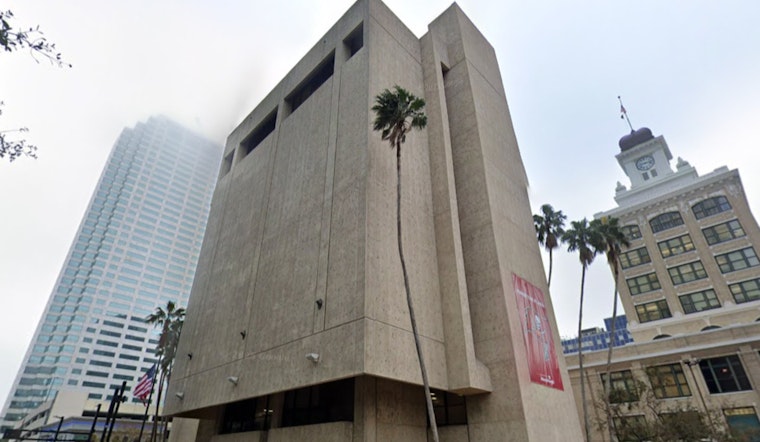
The stark, imposing structure of the Tampa Municipal Office Building, a concrete manifestation of the Brutalist architectural movement, is once again commanding public attention. This time, its elevated profile comes not from its utilitarian angles and heavy massing, but from a brush with Hollywood glamor in the countdown to the Academy Awards. In a recent video posted on the official City of Tampa's Facebook page, Ray Wong, a local architect, gives us a guided tour through the history and inspiration behind the divisive building, known to locals as "TMOB."
Wong's insights throw a spotlight on the TMOB's brutalist design, an aesthetic that has been both scorned and celebrated over the decades. The design philosophy, marked by its functional approach and often raw, unadorned surfaces, speaks to a time when architecture was shifting toward a more honest expression of materials and forms. Critics of the style often decry its starkness and perceived coldness, while defenders point to its strength and commanding presence. "Some people love the Tampa Municipal Office Building’s architecture, others hate it," stated the City of Tampa in their social media post announcing the video with Wong.
What cannot be denied is that the conversation around TMOB is shifting. The brush with the film industry seems to have ignited a renewed interest in the structure's aesthetic merits and historical significance. True to the conflicting opinions that Brutalism often inspires, the video has sparked conversations that range widely — from impassioned defenses of the architectural style to outright disavowals of the building's imposing form.
As the Academy Awards loom, the Tampa Municipal Office Building stands as more than a mere backdrop to city business. It emerges as a character in its own right, an emblematic piece of Tampa's urban landscape. Its influence and the dialogue surrounding it, as shared by Wong in the video, underline a broader recognition—and perhaps a begrudging appreciation—of Brutalist buildings as cultural markers worthy of preservation or, at the very least, of serious discourse. The role of structures like TMOB in the ongoing narrative of a city's architectural identity is, after all, not just a footnote in a history book but an active agent in shaping the visual and cultural conversation of the day.



