

























































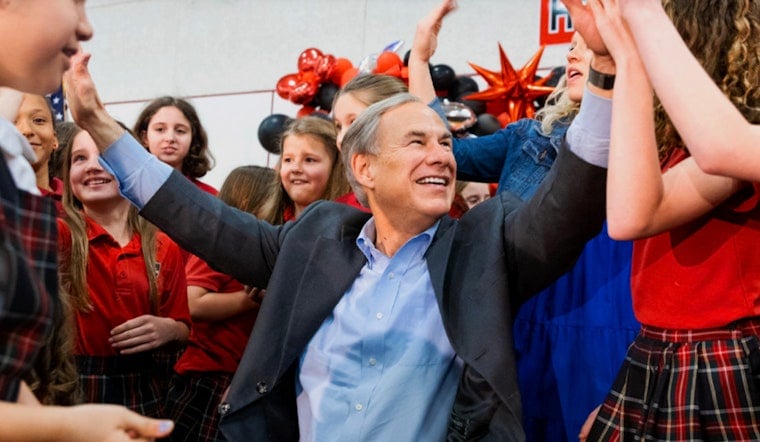
Texas Governor Greg Abbott brought education policy into focus last night by declaring "school choice" an emergency item for the state's 89th Legislative Session. In his State of the State address in Austin, Abbott highlighted school choice as a key priority for his legislative agenda, a topic that often sparks intense debate across political lines.
Abbott was clear in his address, which has been shared publicly through an official release from his office, emphasizing that the issue requires prompt attention from lawmakers. School choice generally refers to policies that provide parents with more options for selecting educational institutions for their children, including charter schools, private schools, and voucher programs. It is a complex issue that involves balancing educational values with economic factors.
As Governor Abbott's thrust towards school choice takes legislative form, it's sure to hit the usual friction points—questions about public funding, the potential impact on public schools, and the implications for equitable access to quality education. While advocates often argue that such policies foster competition and improve educational outcomes, opponents worry about the misuse of funds from public schools and widening disparities among student populations.
This emergency item announcement provides an expedited path for school choice legislation, allowing the issue to be addressed early in the session. This approach could lead to a quicker progression through the legislative process, making it a central topic in Texas' educational policy. The decisions made could have broad implications, potentially affecting the educational landscape in the long term.
As political discussions surrounding this declaration continue, it is clear that Texas' stance on expanded school choice will be closely observed, with potential implications for the broader national conversation on American education. The debate prompted by Abbott's announcement is expected to highlight differing perspectives on education policy while seeking to define a direction for the state's schoolchildren.





