

























































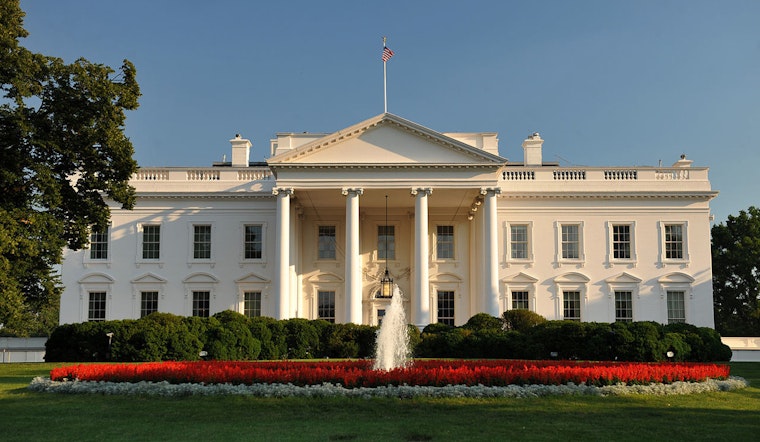
In a decisive move to shrink the reach of the federal government, President of the United States has issued an executive order aiming to curb what is deemed as excess in the federal bureaucracy, arguing that such measures would decrease government waste, alleviate inflation, and enhance American freedom and innovation. The announcement was made public through a White House statement.
Under this new directive, specific components and functions of four government entities – the Presidio Trust, the Inter-American Foundation, the United States African Development Foundation, and the United States Institute of Peace – are to be heavily downsized or entirely eliminated, the heads of these bodies are required to submit compliance reports within a tight 14-day window, detailing the statutory necessities of their operations. Similarly, the order reaches beyond these entities, seeking to reject funding requests inconsistent with this policy, and marks the revocation of the Presidential Memorandum dating back to 1961 which focused on intergovernmental coordination.
The Office of Personnel Management (OPM) Director is also instructed to discontinue several long-standing federal programs including the Presidential Management Fellows Program, modifications that entail the revocation and amendment of previous executive orders related to federal employment and internship programs. The dismantling doesn't end there, the President has called for the termination of various Federal Advisory Committees within different departments and agencies, touching on diverse areas from international development to financial advisory councils and even a committee dedicated to addressing Long COVID, as per the White House release.
Furthermore, the administrative axe is expected to swing wider, as top Presidential advisors have been given 30 days to pinpoint additional governmental entities and federal committees ripe for dissolution, the executive order which insists upon fiscal responsibility and streamlined governance also makes clear that these actions must align with existing laws and budget allocations. The implications of this unprecedented scaling back have yet to be fully understood but are certain to stir debate among policymakers, civil servants, and the American public as to the balance between lean governance and the abdication of vital public service commitments.
The order will not override the legal authority of executive departments, agencies, or their leaders, nor will it affect the Office of Management and Budget's role in budget and administrative matters.


