

























































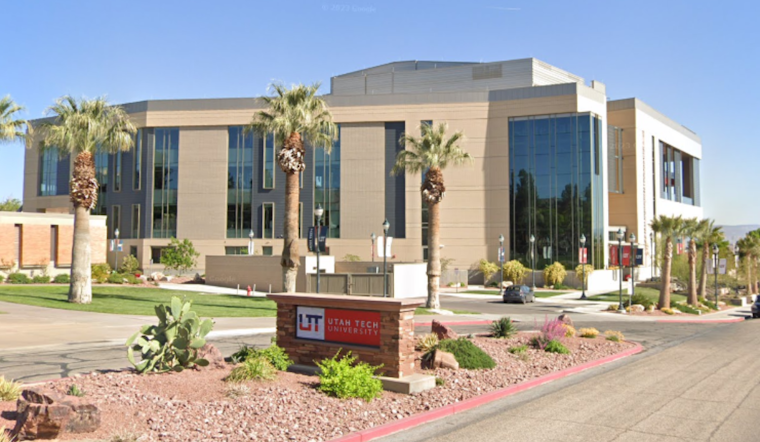
To tackle a significant shortage of primary care providers in Utah, the University of Utah is shaking hands with Utah Tech University. They're jointly developing a new project to create a medical campus that stands to directly address the "medical desert" affecting parts of the state. In his testimony to the Utah Legislature's Higher Education Appropriations Subcommittee, University of Utah President Taylor Randall emphasized the urgent need for medical professionals in rural areas, according to At The U.
The innovative proposal includes the establishment of a Southern Utah Regional Medical Campus in St. George, to launch a three-year M.D. program that will quickly feed graduates into residency programs with a rural track. "This is a big step forward in providing rural medical care and getting doctors into communities that desperately need them right now," Randall said, as obtained by At The U. With a request for $10.6 million in ongoing funding from the state, the U aims to openly start admitting 10 new medical students a year to this accelerated program.
Intermountain Health joins the fray as a key clinical partner, contributing training and educational support for future students. Negotiations to establish new residency programs in Southern Utah are currently in progress, reflecting a wave of collaboration throughout the region's medical community. The program's design echoes past successes like the physician assistant program, which operates in its seventh year through a partnership between the two universities, with the University of Utah conferring degrees and Utah Tech offering teaching facilities and student services.
Michelle Hofmann, senior associate dean at the University of Utah's Spencer Fox Eccles School of Medicine, stressed the importance of creating sustainable systems for training new providers and increasing physician retention in rural areas. She highlighted the impact of locale on residency, noting, "Studies show that a significant proportion of the physicians who complete medical school in Utah—40%—remain in the state, as do 45% of those who complete their residency here." She added in her explanation that "physicians are trained by physicians," underscoring the self-perpetuating cycle that's integral to cultivating a homegrown medical workforce, as covered by At The U.





