

























































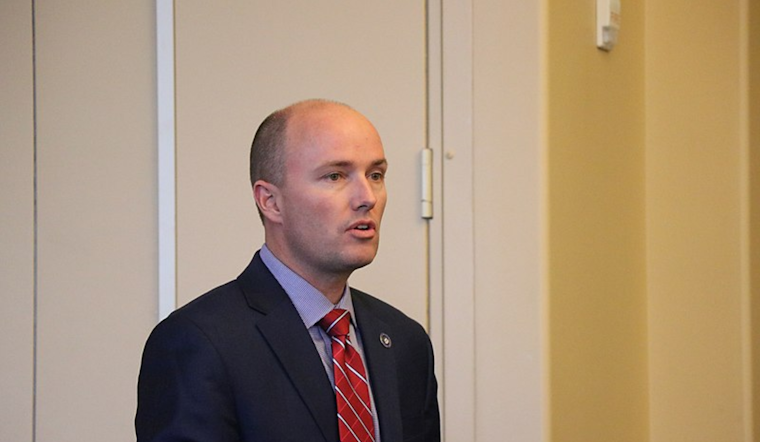
In a decisive day of legislative action, Utah Governor Spencer Cox put his signature on a series of bills, marking a significant day in the state's 2025 General Legislative Session. Yesterday, Cox signed off on 11 bills touching on issues ranging from the state's response to sexual extortion to the transformation of state water policy. These legal adjustments aim to refine the state's course on critical matters affecting the lives of its citizens. A full list of the bills, including their summaries, has been made available on the Utah Governor's Office website.
Among the legislative changes, HB 13 or the Sexual Extortion Amendments, takes a firm stance against a growing problem of sexual extortion, providing clearer definitions and stronger penalties. The Emergency Services Personnel Amendments outlined in HB 14 ensures that those who put their lives on the line receive the acknowledgment and support they need. Meanwhile, HB 32 stands as a testament to heritage, designating the Borgstrom Brothers Memorial Highway in honor of four Utah siblings who perished in World War II. These measures represent a portion of Utah's initiative to honor the past while strenuously guarding the present, as per the Utah Governor's Office.
With HB 41, the State Water Policy Amendments, Utah looks to the future, addressing the complexities of water management in a state where this precious resource is becoming increasingly scarcer. The legislature appears committed to finding ways to utilize and protect this vital resource amid growing environmental concerns. Another future-focused legislation, HB 50's Occupational Safety and Health Amendments, strengthens provisions for workplace safety, recognizing the intrinsic value of safeguarding the state's labor force.
Recreational and educational interests were not overlooked. HB 59 is set to modify existing rules concerning the use and sale of fireworks, potentially impacting how Utahns celebrate key events. The Private Postsecondary Education Modifications in HB 97 aim to ensure that education providers meet certain standards, reflecting an ongoing concern for quality education in a rapidly evolving sector. These adjustments indicate a state actively calibrating its regulatory frameworks to adapt to emerging trends and challenges.
The assortment of signed bills is rounded off with matters of financial integrity and governmental efficiency. HB 108's Fraudulent Deed Amendments tighten laws to combat real estate fraud, reaffirming Utah's commitment to property rights and legal rectitude. HCR 2 and HCR 6 address economic and social issues, from pharmaceutical rebates to federal homelessness regulations, showing an array of concerns Gov. Cox and the Utah legislature are attempting to bolster with this recent round of signings.





