

























































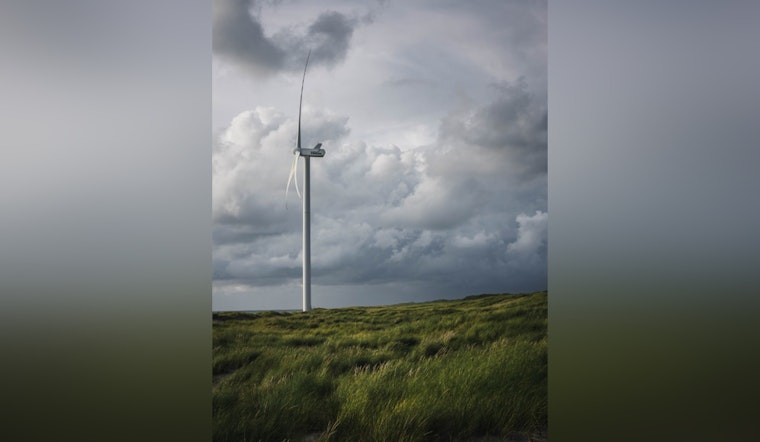
Las Vegas residents and visitors can expect a windy end to their weekend. A recent forecast indicates strengthening conditions across the Western Mojave Desert and the Sierra region as a storm system targets Northern California. While the storm won't bring significant precipitation to Southern Nevada, it is expected to increase winds and raise temperatures, according to the National Weather Service in Las Vegas.
The NWS forecast details how this atmospheric activity is resulting from a deep low-pressure system stationed off the Washington coast. "Gusty winds will surface across the Sierra and Owens Valley, as well as the western Mojave Desert near Barstow," they note, confirming that wind advisories in these regions are apropos. By Monday, the report predicts desert highs in the 70s and beyond—the balminess potentially reaching a toasty 80 degrees in the lower Colorado River Valley and Death Valley.
Looking ahead to next week, the region will see a shift as a Pacific Northwest closed low carries an atmospheric river's moisture toward the western U.S. By Tuesday, this condition will herald a return of wetter weather to the broader forecast area, though a chasm of uncertainty splits the experts on how much moisture will actually descend into the Mojave Desert. "The greatest forecast uncertainty lies in both timing and trajectory of this open wave," the NWS analysis states.
For air travelers, Harry Reid International Airport expects a "typical daily wind pattern with speeds under 10 knots," with winds fluctuating through various directional shifts across the day. The NWS report affirms, "Mid level and high clouds between 15 and 20 kft will stream across the area through the forecast period." The airport and the surrounding southern Nevada, northwest Arizona, and southeast California areas will also be under the influence of these conditions, with KDAG seeing an afternoon peak of gusts beyond 30 knots.
Lastly, the NWS reminds local weather enthusiasts that "Spotters are encouraged to report any significant weather or impacts according to standard operating procedures," underscoring the community's crucial role in weather observation and reporting. As the week progresses, residents should stay informed on updates, particularly regarding those shifting precipitation chances and what they may mean for their area.





