

























































At Washington State University Tri-Cities, the past doesn’t just echo; it informs. In a recent collaboration, history and architecture blend to confront and teach the stark realities of segregation and its persistent mark on the urban landscape. WSU Professors Robert Bauman and Robert Franklin, backed by histories and interviews captured through the efforts of Leonard Moore and Vanessa Mitchell Moore, have spotlighted the entrenched racial division in the Tri-Cities area during WWII and beyond. These historical narratives find renewed relevance through a graduate course aimed to fundamentally shift future architects’ understanding of how discrimination can be solidified in concrete and steel.
Delving into the narratives of African Americans like Tommy Moore, who came to the Pacific Northwest in search of opportunity, students learned firsthand how discriminatory policies didn't just shape the social climate but also literally the physical space of cities like Pasco. Encountering the concrete consequences of racism, the "Issues and Architecture" course, as reported by WSU News, aims to thoroughly prepare students to design infrastructures that do not perpetuate exclusion. As history professor Robert Franklin stated, "Segregation and discrimination against Blacks were pervasive across the country in varying degrees and this can be seen in the infrastructures of many cities across the country."
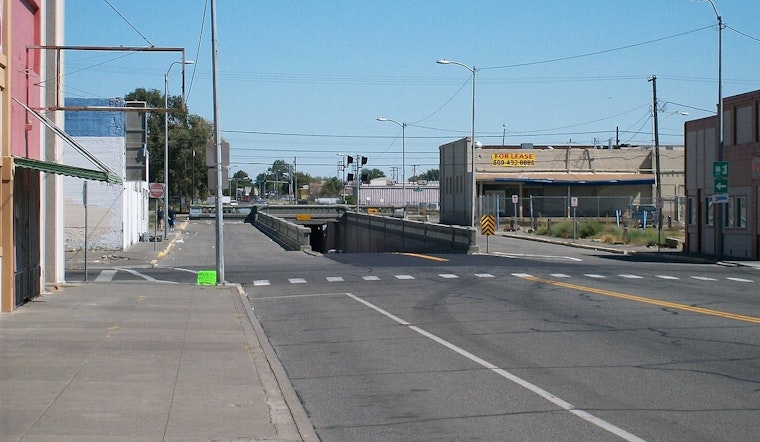
The Tri-Cities region, an area that once embodied the tenets of segregation as strictly as any Jim Crow law in the South, now becomes a ground-zero of sorts for examining how built environments can contribute to systemic inequality. Student projects, including a digital walking tour and historical essays, aim to capture and share the complexities of the region's discriminatory past. The projects will contribute to a broader understanding of Pasco's legacy of segregation and discrimination and will be made available to the public through an app and website funded by the National Park Service.
In an interview with WSU News, architecture student Rae Hendricks said, "As a future architect, I hope to speak and address important topics that others may be inclined to ignore due to their sensitive nature." Hendricks' statement captures the essence of the course: to forge architects equipped not just with design skills but with a nuanced understanding of how their work can either perpetuate or dismantle barriers within society.
Funded by a mixture of private and governmental sources, including ALSC Architects of Spokane, this initiative at WSU signifies a commitment to not only educate but to reconstruct the narrative by actively engaging the once-marginalized communities of east Pasco. It reveals architecture's potent role in shaping, and hopefully reshaping, the American social fabric. Professor Phil Gruen summed up the course’s ethos, noting that a key goal is for students to go on to create better built environments "free from discrimination and barriers designed to separate people from the rest of our society."





