

























































In a move affecting Atlanta's policy and environment, the City Council has granted the Beltline and other public infrastructure projects an exemption from the city's tree protection ordinance. The council voted unanimously on Monday to temporarily set aside these rules, which are designed to protect Atlanta's urban canopy. This exemption is aimed at speeding up a backlog of infrastructure projects that have been delayed by the current ordinance, as reported by FOX5 Atlanta.
Under the council's decision, the Beltline and other projects led by the Department of Watershed Management, Department of Transportation, and the Department of Enterprise Assets Management will proceed without restrictions from the tree protection ordinance until March 17, 2026, or until a new tree ordinance is passed. This exemption is meant to help clear delays in these projects. However, officials are still required to plant trees on project sites "to the maximum extent feasible," as stated by the council, according to FOX5 Atlanta.
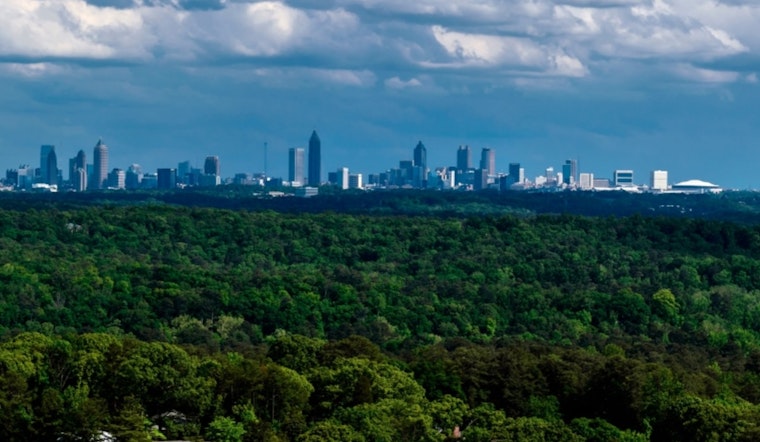
Atlanta’s tree canopy is currently slightly reduced, with a 2024 report noting that the city's tree canopy coverage dropped just below 46%, missing the goal of 50%. This context adds complexity to the council's decision and raises concerns among environmentalists about the future of the canopy. The city is also considering a revision to its tree ordinance, which hasn't been updated in over twenty years. A council vote on a revised ordinance is expected next month, according to Rough Draft Atlanta.
With this exemption, developers are encouraged to replace trees removed during construction. If trees cannot be replaced, developers will pay fees into Atlanta’s tree trust fund. This compromise balances development needs with environmental concerns. Council members Dustin Hillis and Marci Collier Overstreet, who sponsored the exemption, aim to advance the city's infrastructure while maintaining a commitment to the tree canopy. Projects benefiting from this exemption will be required to submit annual reports detailing their impact on the tree canopy and efforts to reduce losses.




