

























































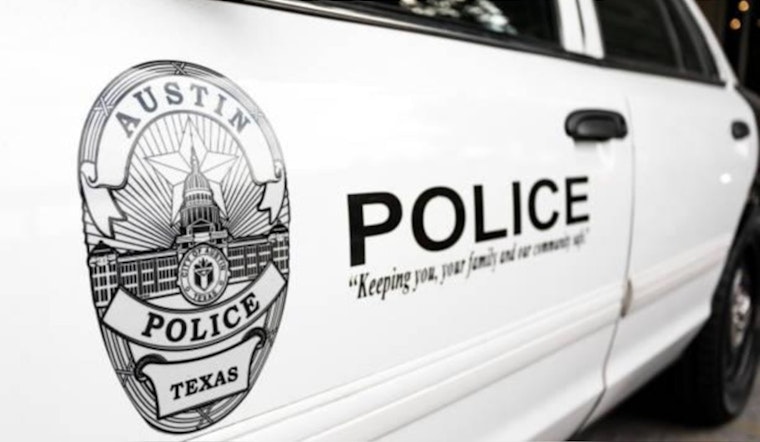
In an effort to curb the persistent issue of impaired driving in downtown Austin, the Austin Police Department has ramped up its traffic enforcement, especially on weekends. According to a recent report, APD officers have been actively spotting and evaluating drivers who may have had one too many or indulged in substances rendering them unfit for the road.
The crackdown seems to be yielding results, with the past three weeks seeing APD carry out 11 arrests for driving while intoxicated. On top of the arrests, officers have also assessed 21 drivers for impairment who ultimately weren't arrested, issued 61 warnings for unsafe driving behaviors, and delivered 11 citations for various traffic infractions. The operation stretched over six nights, predominantly Fridays and Saturdays, times where the spirits often flow more freely and the risks grow larger.
Yet, amidst the initiatives and the numbers that reflect their work, we find ourselves contemplating the line between safety and surveillance. The figures speak: 11 DWI arrests, 21 drivers tested for sobriety without subsequent arrest, and a total of 72 instances where drivers encountered the police, but not necessarily a jail cell. This pronounced presence of law enforcement pushes the question of effectiveness balanced against the freedom of movement within our urban space.
When the APD says their "priority is to protect the community," they're speaking to a core truth that resonates within each of us—a collective desire to roam our streets without fear of harm from the irresponsible actions of an impaired driver. In a statement provided, APD highlighted a commitment to this cause, "Every impaired driver that officers catch is one less potential danger on the road." They stress the illegality and recklessness of driving under the influence, urging the community to make responsible decisions and to consider ride-sharing or designated drivers when alcohol is part of their plans.
While the objectives of APD's increased traffic enforcement are clear, it's yet to be seen how this initiative will impact the long-term behaviors of Austin's motorists—whether it will encourage perennial vigilance or simply a temporary caution while the police presence is pronounced. What remains clear is that the street dance between control and chaos continues, and at its heart, it's about finding harmony in the city's pulse, safeguarded, but not stifled, by the watchful eyes of those sworn to serve.




