

























































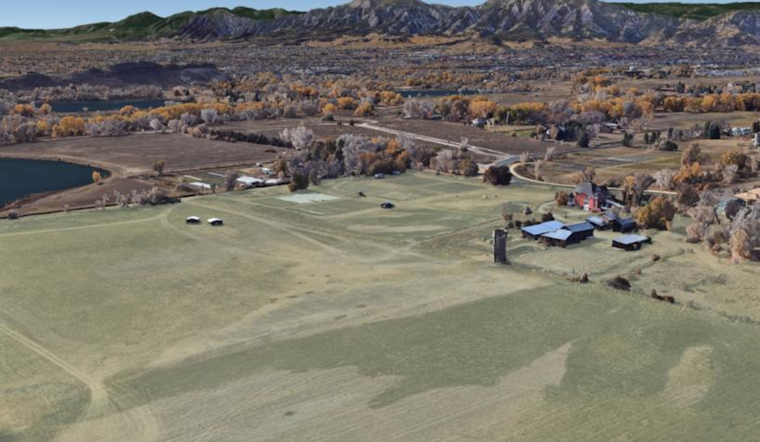
The City of Boulder is reaching out to the public for insights and narratives to develop an interpretive experience as part of a "healing trail" at the Fort Chambers / Poor Farm site, associated with the history of the Sand Creek Massacre. Acting in partnership with Arapaho and Cheyenne Tribal Representatives, Boulder aims to curate a space designed for education, reflection, and indigenous planting that fosters collective healing.
Community involvement is a cornerstone of the project. A workshop facilitated by Ernest House Jr., the director of the Center for Tribal and Indigenous Engagement at the Keystone Policy Center, is slotted for 3 to 5 p.m. on Friday, March 21, at the Boulder Council Chambers, according to the City of Boulder. Submissions are also being accepted via an online form through March 30, inviting participation that could shape the healing pathway by sharing diverse perspectives about the area’s significant history and ecology.
The site in question, near 63rd Street and Jay Road, holds great historical and cultural significance. It encompasses the Queen Anne Victorian home that operated as the Boulder County Poor Farm from 1902 to 1918 and is also tied to much darker events. Before the Sand Creek Massacre in 1864, which claimed the lives of over 200 Arapaho and Cheyenne people under the guise of military protection, Boulder-area volunteers trained at Fort Chambers.
Addressing an inaccuracy, reflections are sought on a stone marker erected in 1959 to mark the location of Fort Chambers. Contributing to the narrative are the early history of Boulder and the Valmont area, and input on elements that enhance cultural relevance and nature connections for both city dwellers and tribal members is encouraged. Ensuring a broad story, "Heal the Land; Heal the People" is the shared vision of the city and Tribal Representatives, welcoming stories from Indigenous Peoples, settler descendants, and all community members.
Once the community workshop is conducted and the online submission window closes, the city of Boulder plans to collate all the gathered input. These contributions will be instrumental in guiding the future creative vision for the Fort Chambers / Poor Farm property’s Healing Trail. The intent is to create an environment that not only recognizes the multi-layered experiences tied to the land but also promotes discourse and mutual understanding among the local and Indigenous communities.




