

























































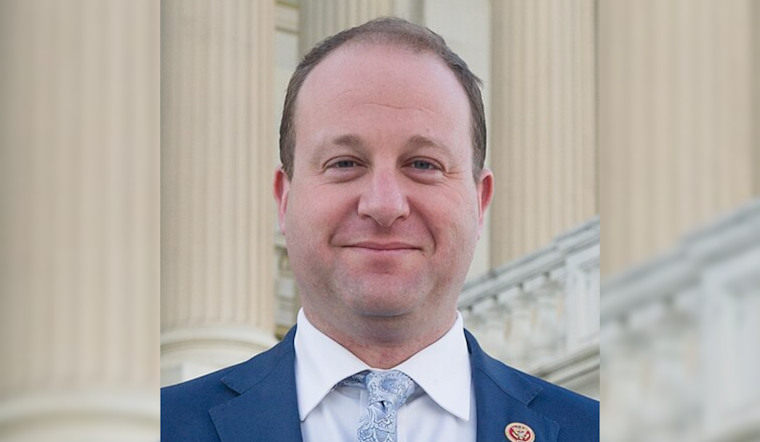
In a move that nods to the past while shaping policy for the future, Colorado's Governor Jared Polis commemorated a significant icon in labor history. On a date that sits at the cusp of César Chávez Day, an occasion to honor the late labor leader and civil rights activist, Polis took to social media to pay tribute to Chávez's enduring legacy. The governor's post, a blend of reverence and progressive commitment, pledges to uphold the values Chávez embodied in the very fabric of state governance.
March 31 marks the remembrance of César Chávez, and it seems fitting that Polis chose this time to reflect on the ongoing efforts in workers' rights. "We honor the legacy of a true champion for workers' rights and social justice, César Chávez. His unwavering commitment to dignity and equality inspires us all to continue the fight for a better future and a Colorado for all, where every person can thrive," according to Governor Jared Polis in a Facebook post shared just hours ago.
The statement isn't just a homage to Chávez, but appears to be a call to action echoing through the corridors of state administration, suggesting a tangible connection between honoring a historic figure and the actualization of policy. In the context of the present, Chávez's struggle for equitable labor rights remains paramount as conversations about workers' conditions and equal opportunities occupy legislative chambers and public forums alike. The governor's evocation of such a powerful figure implies a readiness of the state to engage in the necessary discourse and action.
In effect, Polis's reflection on Chávez operates as a prelude to expected state activities aimed at enhancing the welfare and dignity of workers across Colorado. By invoking Chávez, the administration seemingly commits to fostering an environment grounded in the principles that he fought for. It's a reminder to constituents that the work is ongoing, and the state's obligations to its workers are as pressing and pivotal today as they were in Chávez's time.





