

























































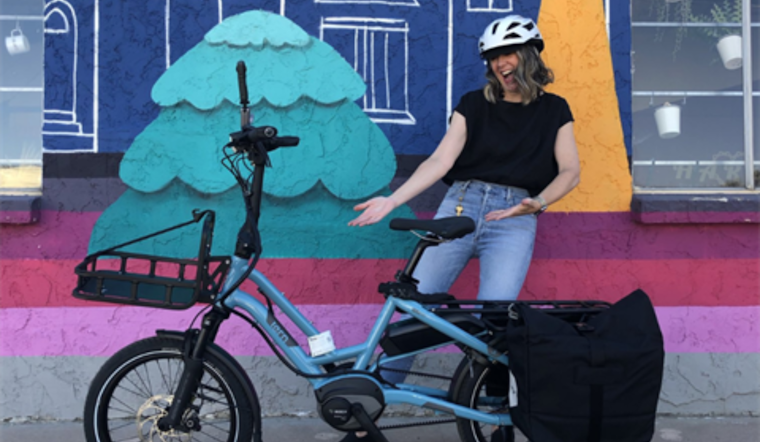
Denver residents eager to trade in gas pedals for electric ones have reason to celebrate. The city's Office of Climate Action, Sustainability and Resiliency's (CASR) electric bike (e-bike) rebate program is making a return, with the next round of applications set to kick off on March 25, as reported by the City and County of Denver. But here's the catch, only income-qualified individuals and those identifiably in need of an adaptive e-bike will be eligible to receive vouchers this time around.
The rebate offers up to $900 in savings for qualified applicants, which includes a $450 voucher from the City and County of Denver paired with a $450 State of Colorado e-bike tax credit, restrictions apply. The combined rebates are capped at 80% of the e-bike's cost, before sales tax. So, for an e-bike costing $1,000, you can save up to, but not exceeding, $800, according to the City and County of Denver.
Denver's incentive pushes to simplify the application process, urging potential recipients to be ready, create an account, choose a unique password, have your email confirmed, and have necessary documents ready for upload starting exactly at the 11 a.m. release. These include proof of residency and income. It's notable that you cannot apply again if your e-bike gets stolen after redeeming a voucher, nor can expired vouchers be resurrected for another chance.
What has the impact been, you're probably wondering? To date, over 9,400 rebates have been claimed with around half going to income-qualified Denver residents. These vouchers are not just about saving a few bucks, they're replacing 4.1 million vehicle miles and axing 1,447 tons of greenhouse gas emissions annually, according to a 2022 report cited by the City and County of Denver. For the riders, the program is cumulatively saving more than $1 million in fuel and maintenance costs.



