

























































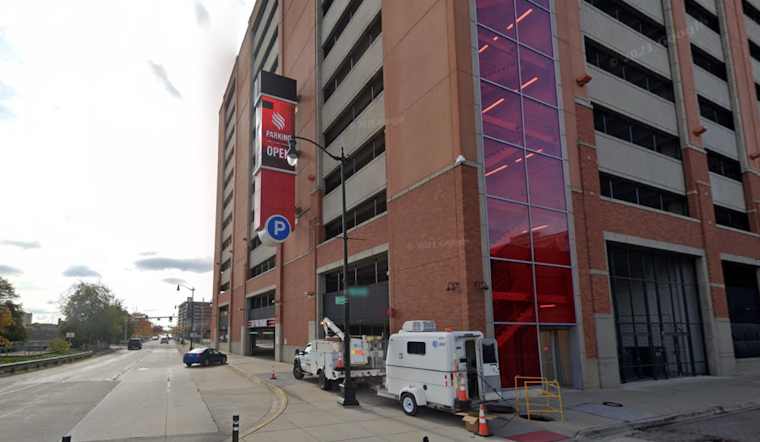
The cause of death for two young children found in a van in a Detroit casino parking garage on February 10 has been confirmed as carbon monoxide toxicity. The Wayne County Medical Examiner's Office ruled the deaths of 2-year-old A'Millah Currie and 9-year-old Darnell Currie Jr. as accidental, according to CBS News Detroit. Initially, it was suspected that hypothermia claimed the lives of the children due to the freezing temperatures experienced that night, where the temperature dropped to 17 degrees.
Living in the van for an extended period, the Detroit News reported that the family, including their mother, grandmother, and three other children, had been in the vehicle for two to three months. While parked in the Greektown's Hollywood Casino parking structure, Dr. Asha Shajahan, a Corewell Health primary care physician who did not treat the children, highlighted the rare but potential dangers of carbon monoxide poisoning in such a large but enclosed space. Despite the family's struggle with homelessness, the city of Detroit has provided their surviving members a new home rent-free for a year, thanks to the efforts of the Detroit Rescue Mission Ministries, as The Detroit News described.
Tateona Williams, the mother of the deceased children, had reached out multiple times for housing assistance before this tragedy occurred. In interviews following the incident, Williams claimed she did everything she was supposed to, stating, "I've been asking for help," in a conversation with WXYZ-TV (Channel 7), as reported by The Detroit News. In response to the incident, Detroit Mayor Mike Duggan has announced a seven-point plan to plug the gaps in the city's approach to homelessness, as the Detroit Free Press reported. This plan includes expanding the hours of a housing helpline, identifying families living in vehicles, and treating every call involving children as an emergency.





