

























































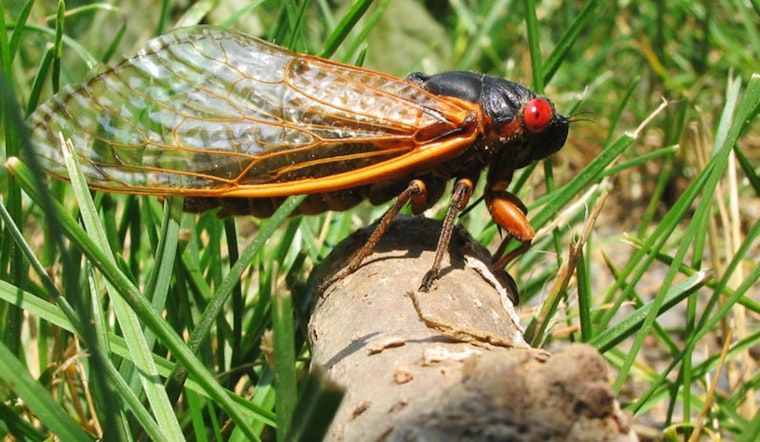
Brood XIV periodical cicadas are set to emerge in Georgia after 17 years. These cicadas will appear when the soil temperature reaches 64 degrees eight inches below the surface, and their activity will be most noticeable between mid-April and mid-May, according to FOX 5 Atlanta.
Brood XIV is one of the larger groups of periodical cicadas. They are known for their striking appearance and preference for clinging to trees, porch columns, and other vertical surfaces. Unlike annual cicadas, these cicadas emerge once every 17 years. They will spend the next four to six weeks mating and making noise before disappearing until 2041.
Cicadas pose no threat to humans. They are not poisonous, and while pets may eat them, their exoskeletons are difficult to digest. As FOX 5 Atlanta points out, cicadas are also edible for humans and can be fried, sautéed, or dipped in chocolate. For those tracking the emergence, apps like Cicada Safari and iNaturalist provide real-time updates on sightings.
In addition to Brood XIV’s return, Patch notes that climate change may affect cicada emergence patterns. Last year saw the early arrival of a different brood, and John Cooley of the University of Connecticut suggested that climate shifts could alter cicadas' ranges. Biologist Keith Clay from Tulane University speculated that the cicadas' 17-year cycle may be a strategy to avoid predators or a response to past climate changes.
The noise from Brood XIV cicadas is expected to be loud, similar to a jackhammer or a revving motorcycle, according to Patch. The noise is part of their mating process, after which they die. Their offspring won’t emerge until another 17 years pass. Despite some hesitance about eating cicadas, curiosity and culinary interest may change attitudes toward these visitors.





