

























































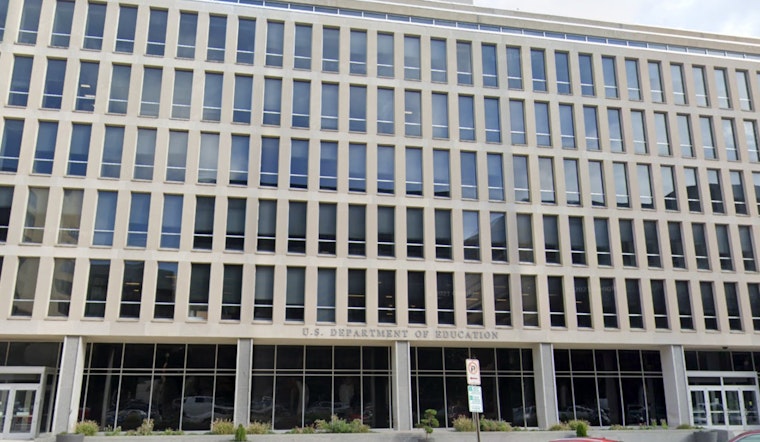
The Department of Education is set to lay off a substantial portion of its workforce, with every employee working from the Boston regional office being shown the door. This is just a fraction of the overall picture, as similar layoffs are taking place in regional offices across the nation, including San Francisco, New York, Chicago, Dallas, and Cleveland—the cuts totaling about 1,300 career employees, as reported by NBC Boston.
This sweeping reduction was announced Tuesday evening, and all affected employees were informed through termination notices that their placement on administrative leave would commence on March 21; these layoffs slash the department’s staff nationwide by nearly half. The Education Department's headquarters and regional offices were closed today due to "security reasons" that remained unspecified, yet they are expected to reopen on Thursday, and those laid off are set to receive full pay and benefits until June 9, along with severance tied to duration of service.
Amid fears of potentially devastating impacts on educational programs, Massachusetts Governor Maura Healey expressed grave concern about the ramifications of these layoffs, "What that potentially means is we see federal funding going away for Head Start, for special education, for after school programs, for Title 1 programs," she said, highlighting the risks to vital assistance for children in need, as quoted by NBC Boston.
According to a Boston 25 News report, these layoffs come within the larger context of President Trump's push for a leaner federal government and follow his campaign vows to downsize or even dismantle the agency, this initiative could see the Veterans Affairs and Social Security Administration among other agencies also face significant job cuts, with Trump deriding the Education Department as having been overtaken by "radicals, zealots and Marxists."
Newly confirmed Education Secretary Linda McMahon issued a memo on March 3, instructing employees to prepare for significant budget reductions and workforce adjustments. The memo described these changes as part of the department's effort to streamline operations and shift certain responsibilities to state governments. McMahon stated that core programs would remain funded with a focus on improving efficiency. The impact of these changes on areas such as civil rights enforcement and the management of the federal student loan portfolio has yet to be determined.





