

























































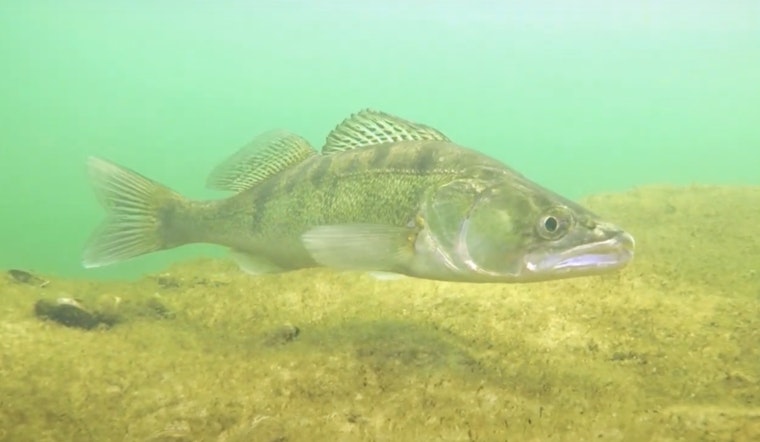
Anglers on the Muskegon River for spring fishing may notice Michigan's Department of Natural Resources (DNR) conducting their work, as they are set to begin collecting walleye eggs next week, with plans to finish by April 12, depending on weather conditions and fish availability. According to the Michigan DNR, they will use electrofishing boats to collect walleye below the Croton Dam, which may cause some temporary disruption for those fishing in the area.
The Michigan DNR will be active on the Muskegon River for four days, with the schedule subject to change based on weather conditions and the fish's spawning readiness. The river stretch from Croton Dam to the Pine Street Access Site will see increased DNR activity. Anglers are advised to cast downstream from Pine Street to avoid disruption. It is also recommended to be mindful of the DNR's electric boats, and when they approach, to step out of the water to allow them to pass smoothly.
Starting bright and early at 8 in the morning, these electrofishing vessels will make their way from Croton Dam to the Pine Street Access Site – and maybe further if their egg baskets aren't full. The Michigan DNR has set its sights high, planning to scoop up some 26 million walleye eggs, which will either become Michigander fish straight away or grow a bit bigger in rearing ponds before they're released into lakes and rivers statewide to shore up the walleye population.
The walleye in the Muskegon River contribute significantly to the walleye populations in Lake Michigan and other local lakes. Out of an estimated 40,000 to 50,000 walleye in the river, approximately 400 will be selected for egg and milt (sperm) collection. The offspring from these fish are essential for sustaining walleye populations throughout the Lower Peninsula. Some of these fish may also be involved in health and disease surveillance studies at Michigan State University.
Tracking the walleye in the Muskegon River has revealed that it serves as a route to other waters—walleye tagged here have been later caught in Lake Macatawa, Spring Lake, and even the Grand and Kalamazoo rivers. For those interested in learning more about the science and methods behind walleye research, the Michigan DNR provides detailed information at Michigan.gov/Walleye, including photos for those who prefer visual resources.





