

























































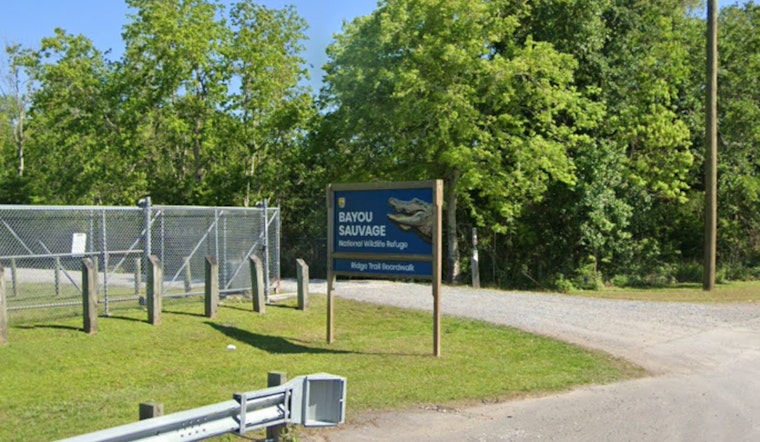
The City of New Orleans is combining forces with the U.S. Fish and Wildlife Service and the Louisiana Army National Guard for its annual Christmas Tree Drop on Thursday. The initiative is a creative move towards coastal restoration, as previously enjoyed holiday trees are given a second life as components of marsh habitat at the Bayou Sauvage Urban National Wildlife Refuge. This year’s effort marks an increase in environmental participation, with the Department of Sanitation collecting about 9,000 trees, up from 8,000 the prior year, as reported by the City of New Orleans.
Collected in January 2025, local residents set their used Christmas trees curbside as part of the city's Recycling Program aimed at bolstering the resilience of Louisiana's coastlines. Dropping tomorrow, the trees will be transported by helicopters operated by the National Guard into the refuge. Then, airboats will be utilized by the U.S. Fish and Wildlife Service staff to secure the trees into their designated positions to form new marsh habitat, accidentally placing them into formation like pieces on a chessboard designed by nature, as reported by the City of New Orleans.
The conservation initiative demonstrates a fusion of military precision and ecological stewardship, exemplifying how holiday traditions can transform into regenerative environmental practices. The City’s Office of Resilience and Sustainability organizes this event with a vision of protecting the city from encroaching waters and land erosion, problems heightened by the specter of climate change, as per the City of New Orleans.
According to the same City of New Orleans’ release, the trees collected from residents are bundled up before being airlifted to their destination. This collaboratively engineered approach to shoreline conservation, ironically, wraps coniferous sentinels in a final mission of sacrifice, the last act in their lifecycle now a testament to human ingenuity giving a nod to nature's resilience. More than just recycling, it's a strategic maneuver in the face of inevitable environmental change.



