

























































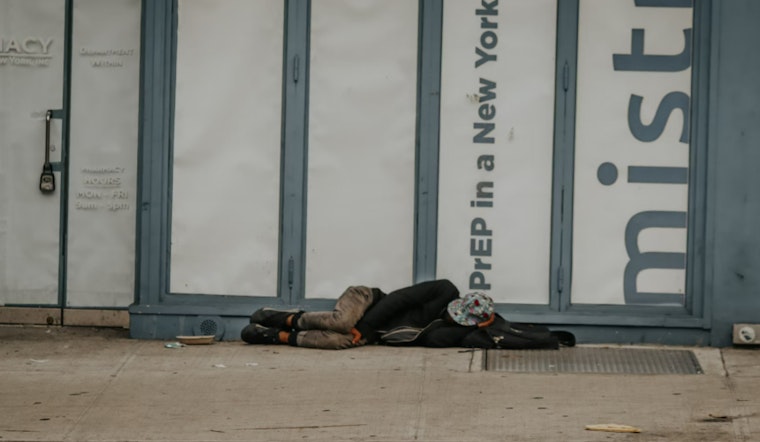
New York City Mayor Eric Adams and NYC Health + Hospitals CEO Dr. Mitchell Katz have announced the expansion of a program that provides medical respite beds to New Yorkers experiencing homelessness. According to a statement obtained by the City of New York Mayor's Office, the initiative will add 24 new beds, allowing an additional 100 patients each year to recover from major health events outside of shelters.
“This program is at the intersection of our administration’s most powerful work — ensuring New Yorkers are safe, healthy, and on a pathway to stable and affordable housing. I thank NYC Health + Hospitals for delivering compassionate and life-changing care to those most-in-need,” Mayor Adams said, seeking to connect medically-vulnerable individuals with care that shelters cannot provide. As they recover, patients will also receive intensive housing case management geared towards future housing solutions. Running these medical respite facilities, ducking for cover with the cold, the unmet need for such services in a city as densely populated as New York remains undeniable, as per the city's website.
The medical respite beds offer post-hospitalization care, including home-based clinical services such as wound care, physical therapy, and medication monitoring. The broader aim is better health outcomes, shorter hospital stays, and a reduction in emergency visits, as findings have suggested improved recovery when compared to discharges directly to shelters. The City of New York Mayor's Office reported these respite patients are more likely to transition into stable housing, with nearly 360 discharged into more permanent situations.
In line with Mayor Adams' housing plan and the Housing for Health initiative, this expansion comes with a significant investment. Recently, the Mayor announced a $650 million intervention to tackle street homelessness and provide support for individuals with severe mental illness. "Bridge to Home," a new model announced alongside the funding, focusses on providing a supportive environment for patients with serious mental illness who lack a place to go after being discharged from the hospital. The 75 total medical respite beds in the city now, snow having the power to disrupt the best-laid plans, shows NYC's commitment to adapting services to the healthcare landscape and urban demands.
NYC Health + Hospitals emphasized the transformative power of the program. “We’ve seen just how valuable respite can be in a patient’s care, connecting them to needed clinical services and discharging to permanent housing whenever possible. We’re grateful to have partners like ICL to help make this expansion happen,” Leora Jontef, assistant vice president of housing and real estate, told the City of New York Mayor's Office. The expansion will enable NYC Health + Hospitals to offer additional home-setting recovery for those leaving acute care, strengthening the connection between healthcare provision and housing stability.
Beyond medical respite, the city's strategies include aiding patients to navigate the complex housing market, developing affordable housing on hospital property, and providing support services in permanent housing. These concerted efforts aim to improve health outcomes by aligning medical care with housing needs. One former medical respite patient, Sean Patrick Kupisz, expressed the program's impact. “After spending two months in the hospital, medical respite provided the support I needed to manage my medications, keep my appointments, and stabilize my health. I had the opportunity to regain my independence,” he shared with the City of New York Mayor's Office.




