

























































In an effort to curb the spread of rabies in North Carolina, the Department of Health and Human Services, along with the U.S. Department of Agriculture’s Wildlife Services, are distributing oral rabies vaccines to local wildlife. According to a report by the North Carolina Department of Health and Human Services, this program, which was delayed in the fall of 2024 due to Hurricane Helene, is a critical step to ensure the health safety of both people and animals.
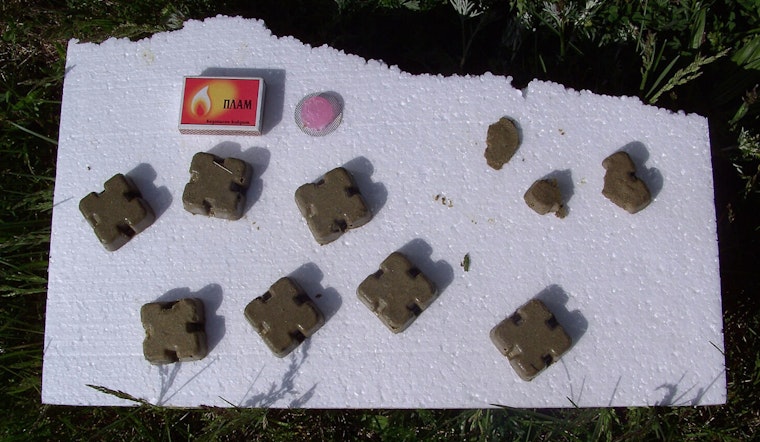
With the program set to begin on April 2, 2025, aerial distributions of the vaccine baits will take place in a span of 17 counties throughout Western North Carolina. Hand baiting in Buncombe County will follow, from April 3 to 9, contingent on the temperament of weather permitting. The vaccine comes in small packets designed to appeal to raccoons, coated with fishmeal or encased in fishmeal-polymer blocks, intended to generate an immune response that wards off the disease once punctured by the animal’s bite.
While the vaccine is considered harmless to domestic dogs and cats, officials emphasize that it is not a substitute for vaccination by a veterinarian. Pets in North Carolina are mandated to get a rabies vaccination by the age of four months, as per existing state regulations. The North Carolina Department of Health and Human Services’ Dr. Carl Williams, the State Public Health Veterinarian, reinforced the importance of the program, stating, "Rabies is a deadly but preventable disease, and this program plays a critical role in protecting both public health and animal populations across North Carolina." Those in contact with the vaccine should wash the area with soap and water and call the number on the bait for additional instructions.
Should someone encounter a wild animal that's presumed to be rabid, medical attention should be sought for a risk assessment. The NC Wildlife Resources Commission requests the public's help in tracking potential outbreaks by reporting sightings of ill or expired wild animals either through their helpline or email. Once symptoms of rabies appear in mammals, the outcome is almost always fatal. Thus, increasing the vaccinated wildlife population forms a barrier to prevent the spread to other species and people.
Projected for completion by the end of April, the USDA’s Oral Rabies Vaccination program was initially launched in the 1990s with the goal of keeping the raccoon rabies epizootic from advancing beyond the Appalachians, a region previously unaffected by the virus. The program's success has staved off westward spread, and hopes to gradually push the vaccine barrier eastward remain high in aspirations of eventually eradicating raccoon rabies.





