

























































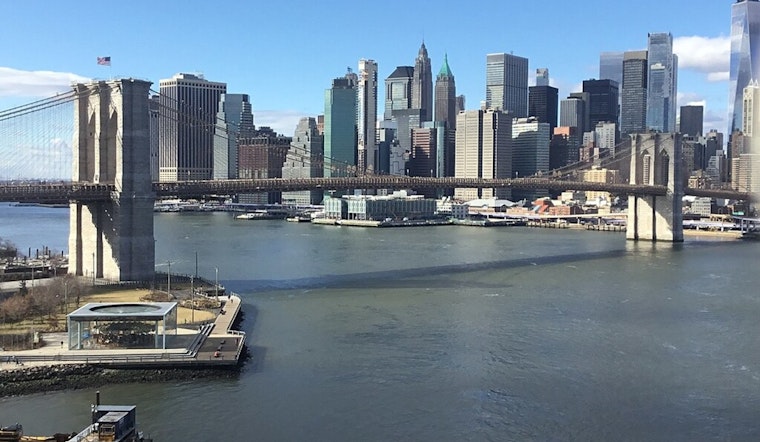
The National Transportation Safety Board (NTSB) has recently issued recommendations for the owners of nearly 70 bridges across the U.S.—including 15 in the New York and New Jersey area—to promptly conduct vulnerability assessments. These are following the catastrophic collapse of Maryland's Francis Scott Key Bridge last year after being struck by a container ship. If Maryland Transportation Authority had conducted a recommended vulnerability assessment, it "would have known the risk and could have taken action to safeguard the Key Bridge," said NTSB Chair Jennifer Homendy in a statement obtained by ABC7NY.
The collapse, which claimed the lives of six construction workers, could have been prevented with this prior knowledge. Among the NYC-area bridges specifically called out for review are iconic structures such as the Brooklyn, Manhattan, Williamsburg, and Verrazano Narrows Bridges. The George Washington Bridge also appears on the list but the Port Authority of New York and New Jersey, commenting to FOX 5 NY, highlighted that container ships similar to the one responsible for the Baltimore incident don't usually pass under bridges they manage and thus pose a low risk since they would typically run aground before reaching the structures. Notwithstanding, the urgency from the NTSB underscores the need to reasonably ensure that similar tragedies are avoided.
This call for assessments echoes the Federal Highway Administration's requirements that had been in place since 1994 for new bridges but were not retroactively applied to those built prior, such as the Key Bridge. The 68 bridges listed are frequented by ocean-going vessels but were constructed before the American Association of State Highway and Transportation Officials (AASHTO) published guidance on calculating bridge vulnerability. It is now known that they have not undergone an assessment, raising concerns about their potential vulnerability to the kind of ship strike that brought down the Key Bridge, as noted in the FOX 5 NY coverage.
Providing assurance to the public, MTA Bridges and Tunnels President Catherine Sheridan stated that all MTA vehicular bridges undergo regular inspections and maintenance. Sheridan pointed out that the Verrazzano-Narrows Bridge specifically "exceeds" AASHTO guidelines with protective measures to stop any large vessel from coming into contact with bridge towers, as reported by ABC7NY. NYC DOT is also reviewing the NTSB's suggestions, noting constraints in the East River that limit it to only smaller freight vessels. The aftermath of the Key Bridge disaster continues to be felt nearly a year later as the maritime and local traffic disruption it caused still lingers in the memories of those affected.
While there is no specific timeline set for these evaluations and implementations, the NTSB has communicated the importance of acting swiftly to address these safety concerns. The NTSB's final report on the Key Bridge collapse is anticipated to be released in the fall, providing further details and insights on the incident.





