

























































The heated discourse surrounding the involuntary hospitalization of mentally ill individuals in New York City continues to split officials, with recent developments further inflaming the debate. Mayor Eric Adams' initiative to involuntarily remove individuals experiencing mental health crises and get them psychiatric care has faced stiff criticism from City Council members. In a report and a hearing conducted by the City Council, concerns were raised about the disparities and insufficiencies of the program. In defense, Mayor Adams urged Council members to "move out of the sterilizing environment of the City Council Chamber" and witness the needs on the streets, as reported by Gothamist.
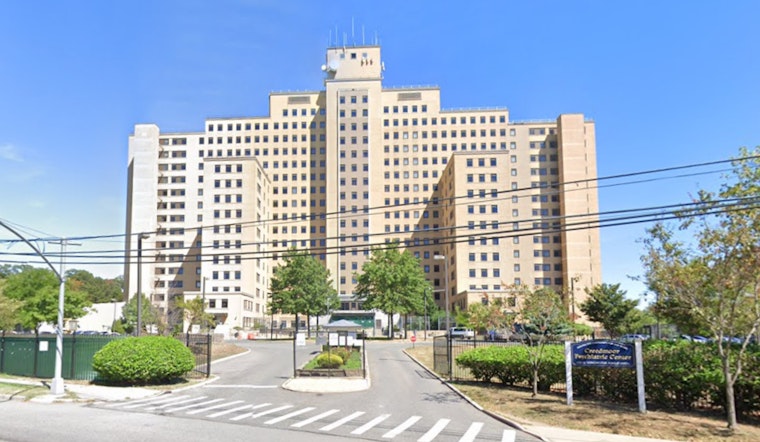
On the state level, the conversation seems to somewhat align with the city's actions. Governor Kathy Hochul's support and a change proposed in the state involuntary commitment law seek to ease the process of committing individuals who cannot meet their own essential needs. A marked sign of this shift is the addition of 400 new beds to state psychiatric facilities, with 100 being allocated to Creedmoor Psychiatric Center. According to NY1's exclusive tour, Creedmoor officials are positioning these expansions as enhancements to the standard of psychiatric care, highlighting 25 new beds specifically designed for patients dealing with co-occurring substance use disorders. Creedmoor's Executive Director, Martha Sullivan, assured that "This is a very special unit for those patients," in stark contrast to the institution's controversial history, as mentioned by NY1.
The data from the City Council’s report, legally obtained from 2024 records, indicated significant racial disparities in involuntary removals, with 54% of transported individuals being Black, a demographic that makes up only 23% of the city's population. In defending the practice, Adams dismissed allegations of race politics, asserting, “We're going to go where the issue is, and we're not going to play race politics. Where the services are, we're going to go to,” as stated in his response to the Council's report. However, critics argue that this approach might be brushing off deeper systemic issues and overlooking the essential needs for consistent long-term care, as per Gothamist.
Councilmember Linda Lee expressed significant concern over the lack of long-term services funding for those in need, asserting that the city has too often relied on involuntary removals without ensuring the availability of necessary treatment. The Council report also recommended a stronger investment in mental health infrastructures such as mobile treatment programs and crisis respite centers. Meanwhile, advocates caution against the ethical and civil liberties implications, with Harvey Rosenthal from the Alliance for Rights and Recovery telling NY1, "We do feel like there is a false choice here: you have to reduce people’s rights to have public safety."
As the debate continues, Creedmoor represents both the potential and the controversy of these policy shifts. With officials touting a newer, more rehabilitative philosophy, and rates of involuntary commitment sitting around 60% at the center, the societal challenge to balance the civil liberties of individuals with mental illness against public safety concerns remains a pivotal point of contention. The average stay at Creedmoor now hovers at around two years, showing some progress in patient treatment and recovery, an aspiration far removed from the historical notion of psychiatric institutions as life-long sentences, as Creedmoor’s executive director told NY1.





