

























































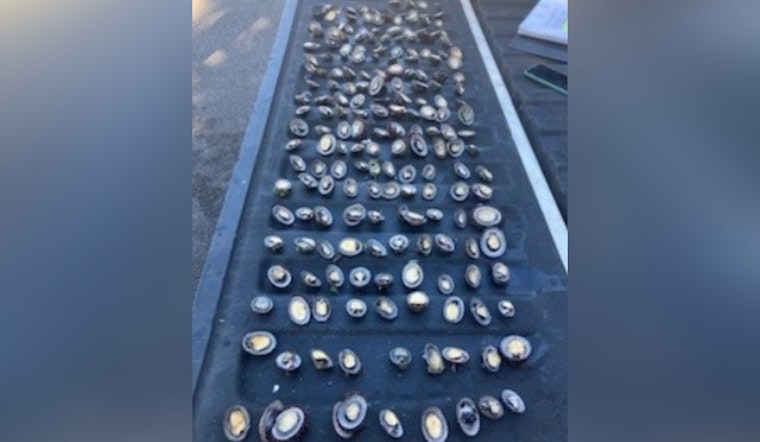
An anonymous tip has led to citations for two O‘ahu men found illegally harvesting 'opihi, a type of limpet, within the bounds of the Pūpūkea Marine Life Conservation District (MLCD), an area designated to protect marine life by restricting certain activities. According to a report from the DLNR Division of Conservation and Resources Enforcement, 53-year-old Elmer Ceredon of Wahiawā and 65-year-old Posadas Armando of ‘Ewa Beach were caught red-handed with 235 pieces of the legally-sized but protected mollusks on March 26.
The two men, after an informant's alert prompted a response from officers who then conducted an inspection of the findings not only found the men in possession of the prohibited marine life, but they were also within a critical conservation zone where such activities are clearly restricted, the Pūpūkea MLCD having been established back in 1983 to bolster aquatic conservation efforts, the regulations and posted signage lay out in no uncertain terms that collecting any mollusks, seashells or the like is strictly off-limits, and yet these violations continue to occur. The department's official statement highlighted the important role marine protected areas play in the local ecosystem and the ongoing commitment to uphold these protective measures.
The accused now face legal repercussions, with a required court appearance scheduled for May 13 at the Wahiawā District Court to answer to petty misdemeanors charges stemming from their actions. Jason Redulla, DOCARE Chief, reiterated the purpose behind the strict regulations, explaining that the protective status of the Pūpūkea MLCD and similar areas is not just about preserving current marine life but also about fostering conditions that improve aquatic populations statewide, saying, "Activities in marine protected areas throughout the state, including the Pūpūkea MLCD, are highly restrictive to protect aquatic resources."
As evident from the incident, despite clear demarcation and the array of signs forewarning the public of such constraints, the struggle for compliance persists, a reminder of the tension between human intervention and the need for environmental stewardship, Chief Redulla's statement illustrated this further by adding that the purpose of these areas is to allow "fish and other aquatic life to grow larger and produce more offspring, which can create a spillover effect to adjacent areas." according to the DLNR statement. The case of Ceredon and Armando serves as a sobering reminder of the ongoing challenges faced by conservationists and enforcement officers in safeguarding these vital habitats.





