

























































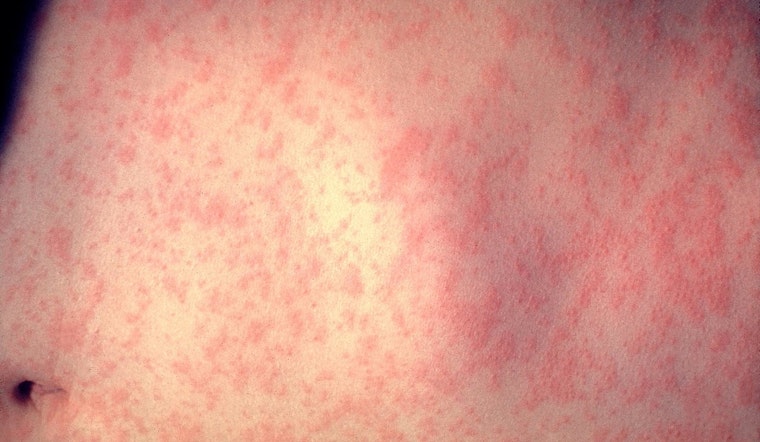
The health authorities in Philadelphia, along with counterparts in Montgomery County and the Pennsylvania Department of Health, are diligently tracing potential measles exposures connected to an unvaccinated child in Montgomery County. Philadelphia's Health Department announced specific locations and times where exposures may have occurred and are urging individuals who were present to check their immunity status and be on alert for measles symptoms.
If you happened to be on the China Airlines Airport Shuttle Bus that ran from JFK Airport to Pho Ha Saigon between February 25 and 26 or visited True North Pediatrics or CHOP King of Prussia Emergency Department during the specified times on February 26, it's crucial to quickly verify your vaccination status. This is because measles is an exceptionally contagious disease, with 9 out of 10 unprotected individuals likely to contract it upon exposure. Moreover, the same source provided compelling data on the risks of the disease – including hospitalization rates and the potential for severe complications such as pneumonia and brain swelling in children.
There is, however, some good news amidst this public health scare. Measles is largely preventable through the administration of the MMR vaccine, proven to be 97% effective after two doses. The vaccine has been a healthcare staple for decades and is credited with the drastic reduction of measles cases that previously resulted in over 2.6 million deaths annually worldwide. For those in Philadelphia, free MMR vaccines are obtainable at City Health Centers throughout the week.
Vaccination guidelines specify that children should receive their 1st dose of the MMR vaccine at 12-15 months old, followed by a 2nd dose at 4-6 years old. Adults born before 1957 may already be immune, but those who were vaccinated between 1963 and 1968 or only received a single dose should consider getting another to ensure immunity. This is particularly important for those planning to travel internationally, as vaccination should occur at least 2 weeks prior to departure. The official release provides comprehensive information on who should receive vaccines and where they are available for free.
For those worried they might have been exposed and are not immune, immediate action is necessary. Contact with a healthcare provider should be sought, symptoms monitored, and isolation from others, especially those unvaccinated or with weakened immune systems, should be practiced. Measles signs, including high fever, cough, red, watery eyes, and the distinctive rash, develop in several stages – information crucial to identify and act upon quickly. The Health Department's Immunizations and Preparedness Programs provide further details for concerned residents.




