

























































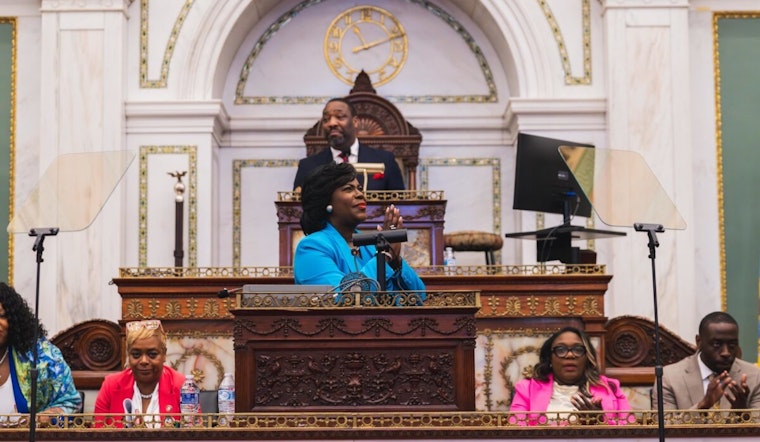
Philadelphia Mayor Cherelle L. Parker has made bold moves in her proposal of the "One Philly 2.0 Budget" for FY 2026, highlighted by her 90-minute address to the City Council. With a hefty $6.7 billion operating budget on the line, Parker's plan targets large-scale advancements in housing, tax reform, public health, and infrastructure, aimed at propelling the city into its next chapter. The major talking points of the budget, as reported by Philadelphia City Council's weekly report, strike chords of progression and revitalization, from the issuance of $800 million in bonds for affordable housing to the shuffle in tax structures meant to unburden residents and businesses alike.
One cannot overlook the Mayor's ambitious housing investment, which aims to build or renovate 30,000 homes for the city’s lower-income residents by increasing the real estate transfer tax. This influx in funding is part of a larger vision that Mayor Parker is set to outline in the upcoming City Council session on March 24. Also noteworthy in the budget is the $300 million commitment over five years to bolster Riverview Wellness Village in Northeast Philadelphia, with the aim to dismantle the notorious open-air drug market in Kensington—an investment that not only addresses public health but also speaks to the Mayor's dedication to tackling the citywide drug epidemic.
The budget also promises tax relief, with plans for annual cuts to the city wage tax and a proposed 50% reduction in the Business Income and Receipts Tax (BIRT) by 2039. This overhaul aligns with the Philadelphia Tax Reform Commission's recent recommendations, suggesting the elimination of BIRT over the next 8 to 12 years. With tax reform, Parker's strategy indicates a clear roadmap for fostering a more business-friendly environment and offering respite to the city’s workforce.
In addition to these fiscal strategies, the Mayor has allocated funds towards improving city aesthetics and safety. This includes $67 million for a new Forensic Lab, $256 million to grassroots organizations for violence reduction, and a sizeable $100 million to prepare Philadelphia for major 2026 events like the Major League Baseball All-Star game and FIFA World Cup soccer matches. Public interest is also clearly reflected in Council-approved resolutions, such as honoring 10-year-old Andre “Trey” Howard for his bravery during a plane crash or commemorating the pivotal civil rights marches known as "Bloody Sunday."
As the budget hearings loom, slated to begin on March 25 and conclude by May 14, the Council readies itself for a thorough examination of the fiscal plan, with the final budget facing a June 30 approval deadline. The Council's sheer workload is mirrored in the diverse resolutions and bills that occupy their agendas—ranging from the Safe Streets for Students Act to adjustments in underground permitting requirements. There’s an undeniable diligence in their approach to refining the city’s legislative framework in preparation for Philadelphia's upcoming transformation, a testament to the collaborative spirit embedded within the city's halls of power.





