

























































The recent implementation of a 25% tariff on goods imported from Mexico and Canada by the Trump administration is poised to send waves through local businesses in Phoenix, particularly those in the produce sector. As reported by FOX 10 Phoenix, RS Produce, a generational family business that has endured economic challenges and a pandemic, faces a new hurdle with these tariffs. "We are now having to pay 25% of what any imported load costs us," said Rivera, highlighting the immediate economic strain on her company's operations.
According to ABC 15, Arizona's trade with Mexico reached a record $38.3 billion last year, marking a 7.4% increase from 2023. The potential rise in the cost of goods like produce, auto parts, and machinery looms over companies, as they attempt to navigate these fresh financial pressures. International business advisor Luis Ramirez, worrying about the continuous influx of fresh produce from across the border, expressed concerns about the implications of the tariffs on companies' long-term investment decisions.
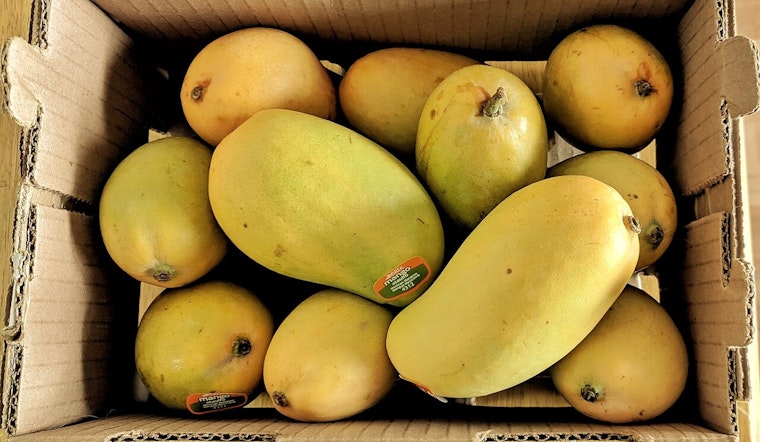
In response to the new tariffs, RS Produce is bracing for the impact it will have on their prices and, ultimately, their consumers. "A lot of what people don’t realize is that a lot of these costs will just be added to the product itself. Already we are on a very small margin in that we import these products and sell them. So we are having to increase our prices, and unfortunately, the customers – like ourselves – will have to take a hit," Rivera told FOX 10 Phoenix. This comes as a significant portion of their imported goods, like watermelons and mangos, are a staple for Phoenix street vendors, Mexican desert shops, and restaurants.
The financial landscape for businesses like RS Produce is being reshaped by the new tariffs, with further measures such as tariffs on foreign cars, aluminum, and steel expected to be announced in early April. In light of this, Ramirez mentioned to ABC 15 the uncertainty of the duration of these tariffs, causing hesitation among businesses considering large-scale investments in an already volatile trade environment. The tariffs, argued by Trump as necessary for protecting American industries and the influx of illicit substances like fentanyl, are challenging local economies that have long relied on the cross-border exchange of goods.





