

























































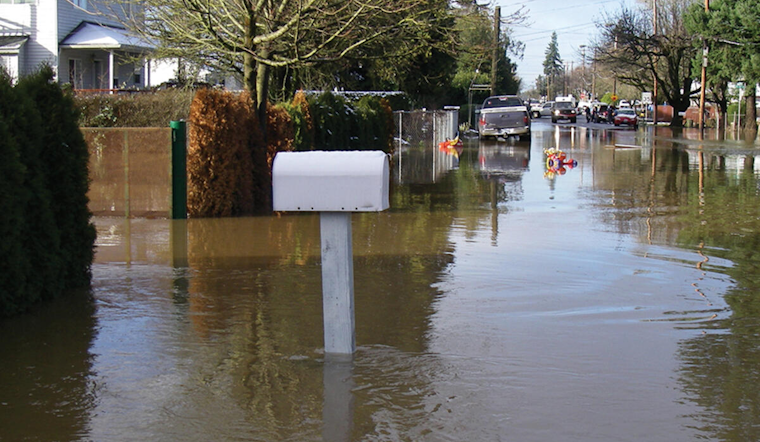
The City of Portland is opening the floor for public feedback on proposed updates to its floodplain development regulations. Officials intend these changes to better protect both people and the natural ecosystem, especially considering the threatened and endangered species in the region. This is in service to not just local interests but also to align with federal mandates necessitating such environmental safeguards.
Driven by a 2016 Biological Opinion from the National Marine Fisheries Service, which found NFIP-sanctioned development to threaten local species, FEMA has been working on bringing its standards up to par with the Endangered Species Act. FEMA’s collaboration with NMFS brought about the ongoing shift to adapt local regulations, particularly those affecting the Special Flood Hazard Areas, a zone more familiarly understood as the 100-year floodplain. FEMA's consultation with NMFS is a direct response to a need for better harmony between development and environmental conservation, and the result has been a cascading series of adjustments at local government levels, Portland's city government reported.
In their latest efforts, the City of Portland passed amendments to building and zoning codes, aiming to straighten out flood storage and vegetation management issues. October 2023 saw the City Council make these initial changes by NFIP's development requirements, keeping Portland residents privy to existing flood insurance rate discounts. The two-phase implementation that started in March of the following year was Portland's concerted endeavor to keep pace with the standards set out by the State of Oregon’s Model Flood Hazard Ordinance and, later, to enhance flood storage capacity in certain designated areas. But these were only the beginning stages of an intricate series of regulatory reforms.
As we look ahead, further adjustments are on the horizon for Portland. The City has notified FEMA that they will introduce additional code amendments to meet the Pre-Implementation Compliance Measures standards. These upcoming changes will involve new requirements in the PICM Riparian Buffer Zone, added stipulations concerning flood storage for fills and structures, and more stringent tree replacement mandates within the floodplain. Moreover, developers must dedicate at least 5% of their project land within the PICM Riparian Buffer Zone to native vegetation. A draft of the proposed amendments has been made available for public scrutiny and comment at the city's official website.


