

























































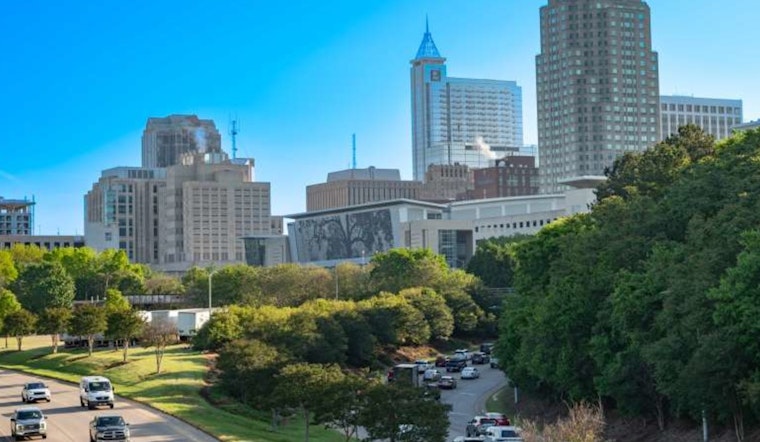
The city of Raleigh is stepping up its game in the realm of sustainability, joining forces with the Bloomberg American Sustainable Cities (BASC) initiative. Raleigh comes together with 24 other cities in a collaborative push to forge environments that are not only environmentally healthy but economically robust too. Part of this grand scheme is an innovation team (i-team), a trio of professionals with prowess in systems thinking, data analysis, project management, and the art of civic design – that is, integrating the community's heart and mind into solving public dilemmas.
Raleigh's local government, particularly the City Manager's Office, is the high ground where the i-team sets its camp. They also team up with the Office of Sustainability and the Office of Strategy & Innovation. But it doesn't stop there – broadening the circle, they're also partnering with organizations such as Southeast Raleigh Promise and Partners for Environmental Justice. However, with the growth spurt faced by Raleigh comes a spike in living costs and a shadow of displacement, ready to overtake long-established neighborhoods and their people. "Raleigh is committed to establishing itself as a national model for managing growth responsibly," as cited in a recent report from the City of Raleigh's website, aiming to skew the balance back in favor of all residents, ensuring everyone has a stake in the community's prospective future.
Crux of the matter at hand for Raleigh rests in the trifecta of rising heat, flooding, and surging energy costs – all intertwining to pose both climatic and economic puzzles for its residents. Putting a lens on these issues, the BASC initiative's goals aim to scaffold low-carbon communities that can endure and prosper economically. And Raleigh, fertile in its ambition and strategies, leans into this challenge with gusto.
Painting the big picture of sustainability, the blueprint Raleigh is chasing doesn't merely focus on coping with the environmental challenges. It hinges on constructing a cityscape where every soul feels tethered – a spot where safety, belonging, and well-being aren't just lofty ideals but the bedrock of the city's spirit. All in all, Raleigh's journey on this sustainable path underscores a commitment "to do that in ways that consider the disproportionate impact growth has on legacy residents and neighborhoods," underscoring a pivotal aspect revealed by the City of Raleigh's communications. If all goes as planned, Raleigh might just set a national benchmark for others to follow.





