

























































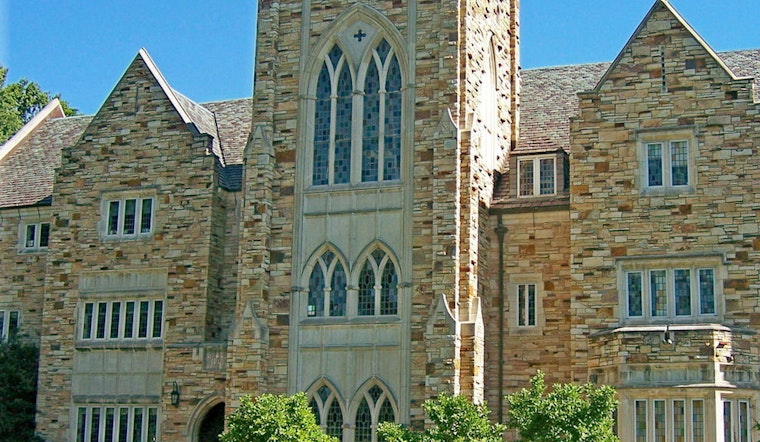
Dr. Sarah E. Rollens, an associate professor and chair of religious studies at Rhodes College, takes on the task of disentangling history from prejudice with the upcoming release of her co-edited book, "Judeophobia and the New Testament: Texts and Contexts." Together with colleagues Dr. Eric Vanden Eykel of Ferrum College and Dr. Meredith Warren of the University of Sheffield, Rollens aims to address the misuse of New Testament texts that have fueled Judeophobia over the centuries. The tome, set to hit the stands in April, is being published by Wm. B. Eerdmans Publishing Company.
Designed with educators and students in mind, this book isn't just a mere academic exercise but a bold endeavor to confront a legacy of misreadings that have propagated anti-Jewish sentiments. "The book’s goal is to educate readers about the ways that New Testament texts have been used to engender Judeophobia from the early church to today," according to a release from Rhodes College that announced the book's publication. The scholars behind the work are not just pointing out the problem but are aiming to make New Testament scholars accountable, as well as urging them to combat the role their discipline may play in the rise of anti-Jewish violence and rhetoric.
A book launch and panel are set for March 25, with Rollens and her co-editors gathering at the Rhodes College Spence Wilson Room at 6 p.m. for a discussion of these critical issues. The event is intended for the Rhodes community and is not open to the general public. The evening promises to be an insightful one as it delves into the complex intersection of religious texts and societal prejudices.
Rollens isn’t new to such undertakings; her extensive work includes serving as co-executive director of the Journal for the Study of the Historical Jesus. She is known for her scholarship in the study of early Christianity, widely published and respected in her field. Her latest collaborative effort in "Judeophobia and the New Testament: Texts and Contexts" is a testament to her commitment to not only examining the past but also to shaping a more informed and compassionate discourse on religious studies.
As debates continue to swirl around religious interpretations and their impacts on real-world issues, works like this seek to offer clarity and responsibility in understanding. For more information about the publication and the upcoming panel discussion, please visit the Rhodes College news article here.
Editor's Note: This article has been updated to clarify the intended audience for the March 25 book launch and panel discussion.



