

























































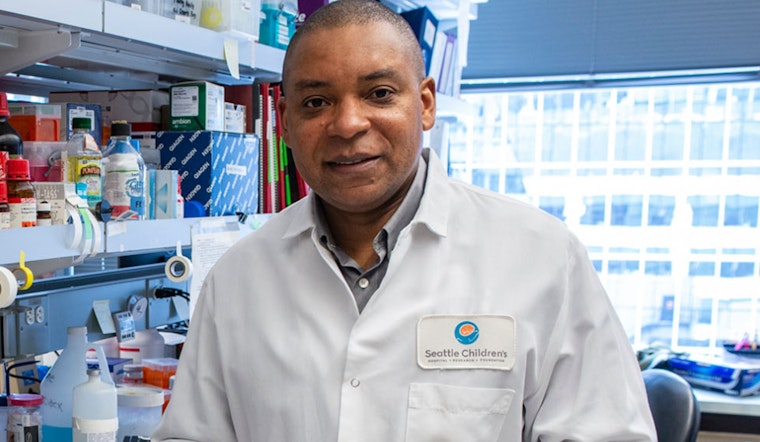
In a significant stride for pediatric neurology, Seattle Children’s Research Institute announces a potential cure for the rare epilepsy syndrome known as Dravet syndrome. Spearheaded by Dr. Franck Kalume, PhD, a luminary in Dravet research, the novel genetic therapy aims to mitigate the devastating effects of this severe condition. According to a research study published in Science Translational Medicine, the findings illuminate a path forward where existing treatments have faltered.
Dravet syndrome, impacting approximately one in 15,700 children, manifests in infancy, plaguing patients with repeated and prolonged seizures and developmental delays. The mortality rate among these patients is severe, residing between 15% and 20% due to a conjunction of sudden, unexpected death, extended seizures, accidents, and infections. Most cases of Dravet syndrome are linked to mutations in the SCN1A gene, instrumental in the brain’s ability to generate electrical impulses.
Decades of dedicated research by Dr. Kalume and his team, including the development of a preclinical Dravet model, have revealed that mutations in the SCN1A gene disproportionately affect interneurons, leaving excitatory neurons untouched. This pointed focus led the researchers to identify interneurons as a key target for a directed and potentially curative therapy. The new study outlines a gene replacement strategy, co-led by Dr. Kalume and Boaz Levi, PhD, from the Allen Institute for Brain Science, and it zeroes in on GABAergic neurons—an approach that demonstrated striking protection against Dravet syndrome's primary manifestations without observed toxicity or side effects.
Two formidable obstacles stood between the concept and realization of this therapeutic approach: precision targeting and circumventing capacity limits inherent in adeno-associated vectors (AAVs), which are the go-to delivery vehicles for gene therapies tackling neurological disorders. The research teams' innovative strategies overcame these challenges, leading to an effective prototype therapy. "The therapy is delivered using adeno-associated vectors (AAVs), the standard carriers for gene therapy delivery for neurological disorders," as detailed in the findings from the Seattle Children’s Research Institute.
While gene therapy heralds an era of hope for Dravet syndrome patients and their families, further clinical trials and regulatory approvals are requisite before this treatment can be widely available. However, with this research, the prospects for managing and potentially curing Dravet syndrome are brighter than ever.





