

























































Public health alerts are ramping up in Shelby County after confirmation of the area's first measles case of the year. The Tennessee Department of Health — and locals alike — are on high alert as the highly infectious virus marks a concerning presence in the state. According to WREG, this is the second case of measles reported in Tennessee in 2025, signaling an increasing need for community awareness and vaccination efforts.
Shelby County Health Department, under the guidance of Dr. Michelle Taylor, has sprung into action with emergency plans, reaching out to those potentially exposed to the virus. Dr. Taylor emphasized the importance of MMR vaccination, highlighting that "people who can’t vaccinate yet because they are small babies and they haven’t gotten to twelve months yet or immunocompromised people or people who never had a MMR Vaccine," are especially vulnerable, as reported by WREG. The Shelby County community is urged to check their vaccination status with healthcare providers promptly.
As measles cases surface nationwide, people are questioning the longevity of their vaccine's efficacy. For those unsure of their vaccine status, Dr. Steve Threlkeld, an infectious disease specialist, mentioned in a statement obtained by FOX13 that a blood test can confirm measles antibodies. Meanwhile, Dr. Shirin Mazumdar notes that people born before 1957 likely have natural immunity, while those vaccinated between 1963 and 1967 might require a booster due to a less effective vaccine used during that period.
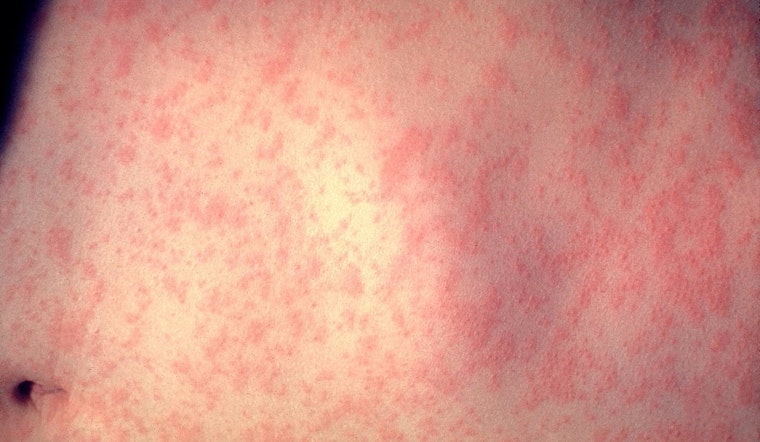
Identifying and limiting further exposure remains a top priority for health officials, as the infected individual recovers at home. "The risk to the public is considered to be low at this time," health department officials told Local Memphis. Despite the relatively low risk, the county is not downplaying the seriousness of measles, which can manifest with symptoms such as fever, headache, and then a rash after a few days, often starting on the face and spreading downwards.
Measles is characterized by its high contagion rate, spreading through coughs, sneezes, or even just talking. Although generally preventable through vaccination, no vaccine is without a margin of error. Two doses of MMR vaccines offer about 97% protection, and a single dose is about 93% effective. In the event of infection, vaccinated individuals are less likely to spread the virus and typically have milder symptoms, according to healthcare experts in the area.



