

























































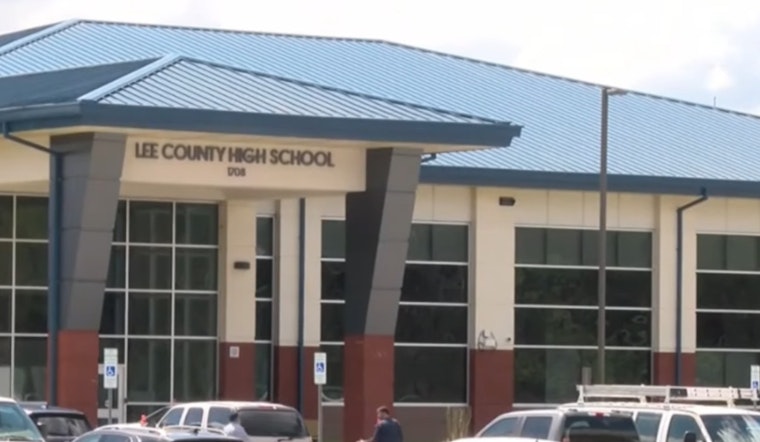
Investigative eyes are now trained on Lee County Schools in North Carolina as the Office of the State Auditor (OSA) digs into potential misappropriation of funds within the district. Earlier this week, an engagement letter from the OSA marked the start of what could be a revealing examination into the school system's financial practices. This announcement, a beacon for transparency and accountability, was first reported by the OSA's official press channels.
"I’ve talked to leadership of Lee County Schools, the District Attorney, and local law enforcement," State Auditor Dave Boliek said, indicating that the investigation is a coordinated effort among multiple levels of oversight. Boliek's aim appears straightforward, as he seeks to "provide an objective account to assist in resolving what appears to be financial malfeasance," according to the OSA's press release.
While details of the suspected misuse are still under wraps, the mere presence of an audit of this nature suggests that someone, somewhere, fell short of their fiduciary duties. When taxpayer money is in question, especially funds earmarked for education, the implications of mismanagement can reverberate from classrooms to community centers. This is not merely about bookkeeping errors; it's a matter that carries the weight of a child's educational resources and the public's trust in their institutions. The ripples of this investigation are set to extend beyond the margins of any ledger or spreadsheet.
There's an anticipation, a collective holding of breath, as stakeholders from parents to policymakers wait for the OSA's findings. Boliek's commitment to an "objective account" throws a spotlight on the importance of impartiality in such probes, and as the auditor's office sifts through the financial complexities, the transparency he alluded to must serve as the investigation's guiding principle. The administration has not commented publicly on the allegations or the pending investigation, but the silence is as telling as any spoken admission.
In the coming weeks and months, all eyes will undoubtedly remain on the OSA's investigation and its outcomes. If wrongful actions are discovered, the unfolding narrative will likely take a sharp turn towards justice and rectification.





