

























































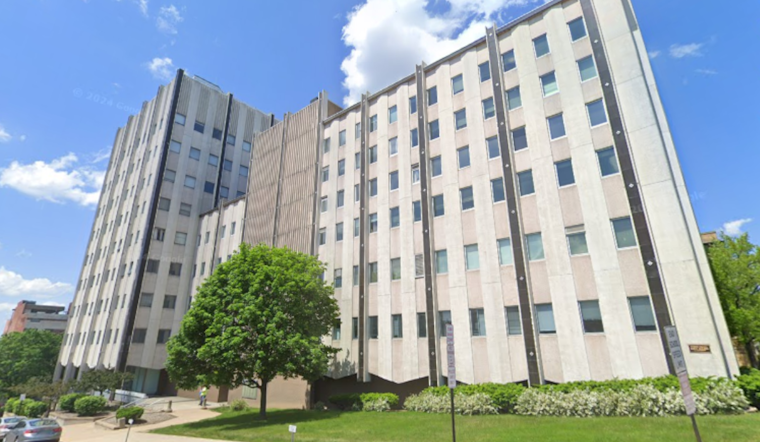
In a stride toward battling the opioid crisis behind bars, the Summit County Sheriff's Office announced the reception of a generous grant intended to bolster addiction services within the jail system. In a recent social media post, they unveiled that a $187,000 Opioid Remediation Grant from the Ohio Attorney General's Office will fund the hiring of an Advanced Practice Registered Nurse (APRN) specializing as an Addiction Services Coordinator at the Summit County Jail, according to the Summit County Sheriff's Office.
The issue of substance addiction among inmates is widespread, with the Ohio Attorney General’s Office noting that approximately 65% of jail inmates nationwide are grappling with such issues. Sheriff Kandy Fatheree estimates that this percentage is higher within Summit County, suggesting that "it’s upwards of three-fourths in our jail." According to the Summit County Sheriff's Office. The newly appointed Addiction Services Coordinator will be expected to quickly assess and ensure immediate treatment for the struggling individuals, a step which the sheriff's office hopes will significantly aid in their recovery process.
Summit County Sheriff Kandy Fatheree emphasized the urgent need for this role, expressing that "so many inmates are being booked and face the immediate prospect of detox and withdrawal, which can be a dangerous time not only for them but for my deputies." According to the Summit County Sheriff's Office. With the specialized care provided by the coordinator, the aim is to develop a comprehensive approach that includes prescribing medications for opioid use disorder, monitoring patient progress, planning transitional care and re-entry into society, and collaborating with local treatment providers and social support services following release.
This initiative also extends to the courtrooms. Working alongside the Common Pleas Court and Municipal Courts, the Addiction Services Coordinator will strive to funnel individuals seeking medication-assisted treatment into specialized docket treatment courts. There is hope in the Sheriff's office that such targeted treatment could be a determining factor in boosting compliance and possibly reducing terms of incarceration. "Many of these individuals have the desire and the inner strength that it takes to stay sober, but they need that initial helping hand to pull them up," Sheriff Fatheree remarked, provided by the Summit County Sheriff's Office, highlighting the potential for a dramatic shift in the cycle of substance abuse and incarceration.
These efforts reflect a larger shift towards evidence-based practices in managing addiction within the penal system, adhering to best practices and compliance with the Americans with Disabilities Act. The Summit County Sheriff's Office looks forward to the long-term positive effects of this integration of healthcare and law enforcement, with the ultimate goal to "provide the kind of treatment that can help ensure that we never have to see them in there again!"





