

























































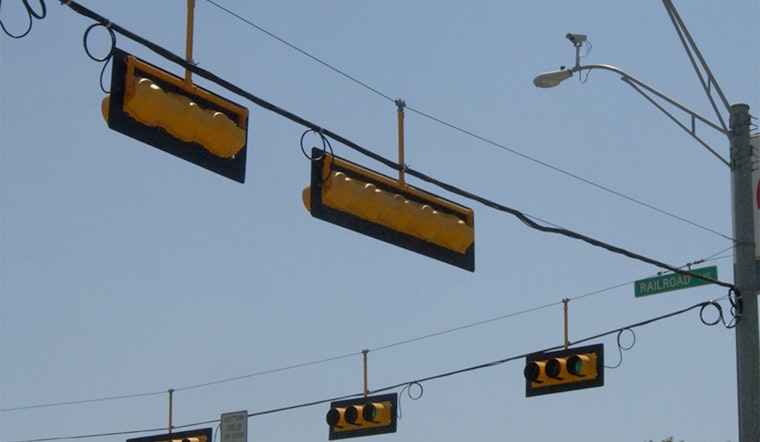
Ever wonder why it seems to take forever for a new traffic signal to pop up in your neighborhood? Well, it turns out, installing a traffic signal is anything but a quick fix. A recent article published by the Texas Department of Transportation (TxDOT) lays out the lengthy, 12 to 18-month process that takes a signal from conception to reality.
It all starts with identifying a need, which could be due to public demand, city planning insights, or new developments sprouting in the vicinity. An official request by a city or county sets the wheels in motion, followed closely by a traffic signal warrant study. This study assesses traffic flow, crash data and even tosses alternative solutions into the mix. Fittingly, the accuracy of these studies can be tripped up by unforeseen delays like school vacations or holidays.
Should the stars align and a signal demand is confirmed, TxDOT takes the baton for a further review that scrutinizes funding and project feasibility. Next comes the design phase, where engineers or consultants shape the future signal with an eye for the unique quirks of each location—be it the need for emergency vehicle access or specialty signs.
Then, we hit the procurement stage, and here's where patience really becomes a virtue. Ordering the necessary gear is a waiting game, with signal poles taking up to nine months to show up thanks to steel supply chain hiccups. It's also during this stage that TxDOT starts to play nice with power providers to ensure there are no surprises when it's time to turn on the electricity. But sometimes, this can stretch beyond a month because, well, logistics.
Tools in hand, contractors eventually jump into action, installing poles, signals, and all those wires that make the magic happen. This construction phase can be a sprint or a marathon, depending on how complex the setup is. A flashing warning phase gives drivers a heads up before the signal fully engages, a brief grace period to acclimate to upcoming changes in their daily commutes.
Finally, a 30-day test drive ensures the traffic signal's ready to play its part without a hitch. Once it passes muster, the baton is handed off once more to either TxDOT or city crews, who will keep a watchful eye on the new addition going forward. As the article elucidates, "ongoing reviews—conducted every five years or as needed—ensure the signal remains optimized for traffic flow and safety."
So, next time you're tapping the steering wheel, waiting for the green light at a brand-new signal, remember the saga behind those three little colors. It's a complex dance of planning, patience, and provisions that aims to keep us all a little safer on the roads.




