

























































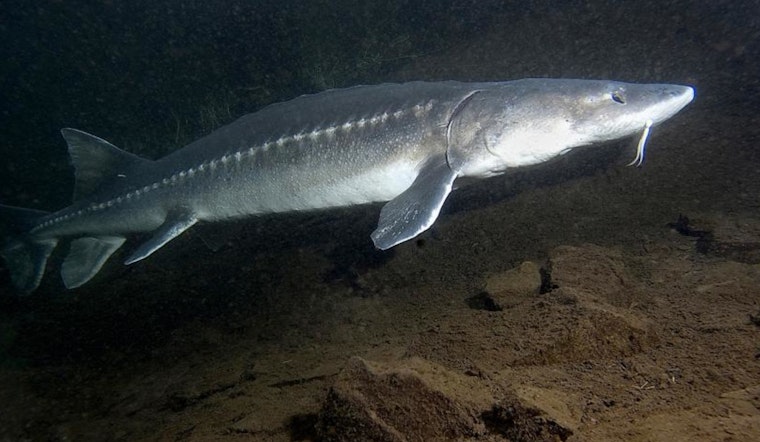
The Washington Fish and Wildlife Commission is gearing up to host a hybrid meeting from March 20 to 22 in Kennewick, where they will tackle a slew of issues from the implementation of the best available science policy to the particulars of mid-Columbia River white sturgeon management. According to a release from WDFW's newsroom, the meeting is set to take place at the Three Rivers Convention Center, with provisions to be streamed live online for broader accessibility.
Starting Thursday, March 20, the Big Tent, Fish, and Wildlife committee meetings will commence, featuring updates on science, conservation policies, and discussions related to the Ruckelshaus report. Participants at the event are looking forward to not only delving but to also deeply engage with topics such as trout management and the threat of invasive species like quagga and zebra mussels, as detailed on the Commission's agenda. Timing for public commentary is allocated during this meeting phase, ensuring that voices are heard before decisions are made.
Following the opening day's discussions, the full Commission meeting kicks off on Friday, March 21, with a dedicated period for public input upfront. WDFW Director Kelly Susewind, along with South Central Region Director Mike Livingston, are expected to present their reports, shedding light on regional and statewide efforts in wildlife preservation and management. A pivotal aspect of the gathering involves the Commission’s resolution on the best available science policy, as well as deliberations on proposed commercial Dungeness crab rules—a subject of keen interest to local fishery sectors.
Continuing the momentum, Friday’s session also includes an open discussion on the Ruckelshaus report, and the agenda suggests an intensive focus on proposed hunting regulations for cougars and black bears for the 2025-2027 seasons. Discussions pertaining to invasive mussel species will also feature, with the Commission set to evaluate and direct WDFW's prevention and monitoring strategies effectively. The intricate dance of conservation and recreation finds itself at the core of these debates, with the potential to influence policy significantly.
Concluding the three-day meeting, Saturday gives one last opportunity for the public's voice to be issued. Following the input session, the Commission plans to debrief and strategize for future meetings before retreating to an executive session. The full agenda and details for registering to provide comments — either virtually or in person — are available on the WDFW website. Notably, all post-meeting recordings will be readily accessible on the Commission's webpage, affirming the organization’s commitment to transparency and public engagement.
The commission, an appointed body responsible for guiding the policies of the WDFW, serves a critical role in sustaining the state’s natural heritage, including its diverse wildlife populations and natural ecosystems. Through meetings like these and the subsequent actions they prompt, the WDFW aims to maintain a balance between the ecological integrity of Washington's wilderness and the public's interest in recreational and commercial ventures linked to fish and wildlife.




