

























































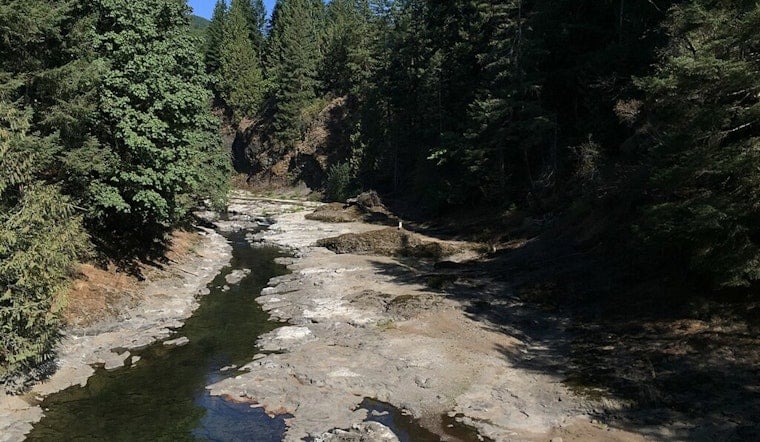
As Western Washington grapples with the twin challenges of flooding and species decline, the Chehalis Basin Strategy is proving a beacon of collaborative environmental action. Established with the formation of the Office of Chehalis Basin in the Department of Ecology in 2016, this large-scale initiative aims to alleviate flood damage and revitalize aquatic species in the state's second-largest basin. A recent report by the Washington State Department of Fish and Wildlife (WDFW) breaks down the inroads made thus far.
A steering committee featuring representatives from WDFW, the Confederated Tribes of the Chehalis Reservation, and the Quinault Indian Nation, focuses keenly on the Aquatic Species Restoration Program (ASRP). In close concert with local and tribal governments, scientists, landowners, and community members, they have charted out a plan detailing the recovery of vulnerable species within the basin's 3,400 miles of rivers and streams. Despite having invested over $152 million since 2012 for habitat and flood projects, the work continues to be of urgent relevance, given the impending decisions with the Chehalis Basin Board determining a long-term strategy by early 2026.
Characterized by a landscape that hosts salmon, steelhead, and the threatened Oregon spotted frogs, the necessity for protection and renewal is evident. "We're restoring natural processes and protecting high-quality, unique, and sensitive habitats," Celina Abercrombie, WDFW’s Chehalis Basin Strategy manager, told WDFW's Medium blog. The work, laid out since ASRP's inception, emphasizes process-based restoration. Such method engages with the landscape holistically, aspiring to natural, sustainable recovery over the span of single interventions.
In practice, the ASRP has disbursed more than $28 million since 2021, fostering the restoration of over 300 acres of floodplain habitat and improving more than 100 miles of fish passage. These landscapes resonate with renewed life, balancing minimal human intervention with the natural flow of rivers and streams. However, these efforts unfold against the backdrop of a shifting climate—a harbinger of intensified floods and droughts. Abercrombie emphasized the urgency and complexity of this work, stating on WDFW's website, "WDFW is working to help species adapt and survive, not just now but in future changing climate conditions." The ASRP webpage and associated story map provide additional insights and detailed resources for those seeking a deeper understanding of this crucial environmental initiative.
As investment in the Chehalis Basin Strategy continues, with a recommended budget allocation of $70 million for 2025-27 by the governor, efforts aim to support sustainable development in Western Washington while addressing ecological considerations. The strategy focuses on balancing environmental preservation with human activities, requiring collaboration among communities and stakeholders to manage future challenges effectively.





