

























































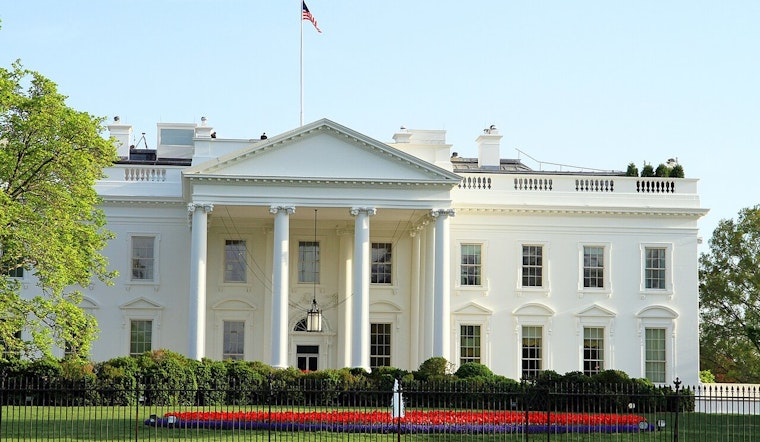
In the aftermath of Mayor Michelle Wu's State of the City address, the White House has fired back with sharp criticism, asserting that Wu prioritizes violent criminals over the citizens she serves. According to a report by Boston 25 News, the administration's stance came in response to the mayor's comments on immigration and sanctuary city policies: "You belong here...Boston doesn't back down." This sentiment seems to have struck a nerve with the Trump administration, which accused Wu of being a "radical" and intentionally seeking to defy the will of the American people.
An official White House communications email argued that Mayor Wu has chosen to actively and repeatedly offer sanctuary to what they have termed "violent criminal illegal immigrants." This was further highlighted by a recent list of arrests provided by the White House that included various individuals charged with serious offenses. Despite the heavy implications, the White House's statement appears to not directly encompass the whole truth; as detailed by a report from WCVB, upon review, several arrests cited by the White House occurred outside of Boston, more broadly within Massachusetts.
Mayor Wu countered the White House's rebuke with a statement that was adamant about Boston's priority on public safety. She stated, "I'm glad that the White House watched the speech, but Boston's record does not match their reckless propaganda. Boston is proud to be the safest major city in the country, and we work with all levels of law enforcement every day to prevent crime and hold perpetrators accountable." Wu also addressed the need for funding in healthcare and education, support for veterans, and the passage of common sense gun reforms to truly enhance the safety of Bostonians, as detailed by WCVB.
Mayor Wu's stance on sanctuary city policies reflects an approach that seeks to balance cooperation with federal authorities on serious crimes while limiting local involvement in civil immigration enforcement. These policies align with the Boston Trust Act, which allows police to collaborate with ICE on matters of significant public safety while restricting involvement in civil immigration enforcement. This approach is also consistent with a 2017 state court ruling. The debate over immigration and sanctuary cities continues to be a topic of discussion, as policymakers navigate the intersection of public safety and immigration policy.





