

























































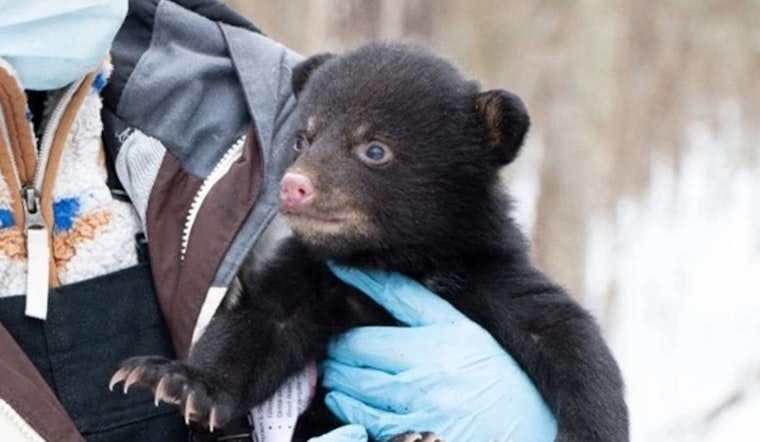
Wisconsinites, if you're out and about and happen to stumble across a black bear den, the Department of Natural Resources (DNR) wants to hear from you. As the state's black bear den survey season comes to a close, the Wisconsin Department of Natural Resources is calling on the public to report den locations to assist in their research on bear populations. But don't expect to get too close when you find one; these fuzzy neighbors deserve their peace and quiet.
The Wisconsin Department of Natural Resources Black Bear Litter and Diet Survey is aiming to collect new data on bear reproductive rates, hoping to paint a clearer portrait of the bear population across Wisconsin's management zones. You wouldn't think your leftover picnic could influence a bear's family life, but researchers are investigating just that—how the bear's consumption of human-provided food could be linked to bear reproduction, and in turn, affect cub survival rates and litter sizes.
If the forest's soundtrack starts to feature some out-of-the-ordinary squeaks or grunts, you just might be near a den. With spring approaching, those sounds often spell out that cubs are nursing. Should you happen to locate a den and hear these sounds, the Wisconsin Department of Natural Resources has a small homework assignment for you: stay about 30 yards away and report the GPS coordinates, snap a photo of the den (trying to capture its surroundings, too), and describe the site. If you've seen or heard any bear activity nearby, be sure to note that down as well.
Upon receiving your report, the Wisconsin Department of Natural Resources staff will decide to contact den reporters and landowners to figure out if a den visit is on the cards—prioritizing dens that are known to be filled with bear activity. Due to time and resource constraints, they won't be able to check out every den, but your contribution is still critical for their studies. "The research team may be unable to visit every reported den location this season," says the Wisconsin Department of Natural Resources. With your eyes and ears on the ground, you're playing a key role in protecting these incredible creatures and ensuring that the state can manage their population responsibly.





