

























































In what's been branded a setback for job creation and economic growth in rural Arizona, Governor Katie Hobbs vetoed HB2774, a piece of legislation hailed for its potential to cut through government bureaucracy in the interest of establishing small modular nuclear reactors (SMRs). These SMRs were touted as a key to unlocking new opportunities for industrial energy consumers, such as data centers and advanced manufacturing, to root themselves in these lesser-served regions.
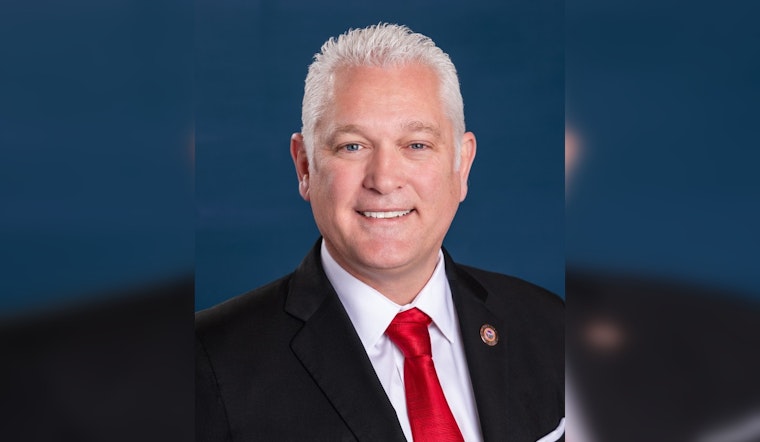
House Majority Leader Michael Carbone, representing District 25, voiced his displeasure with the veto, believing that the legislation moved beyond the mere construction of SMRs. "HB2774 wasn't just about small modular reactors—it was about supporting rural Arizonans by helping rural communities attract new businesses like data centers and advanced manufacturing facilities that create jobs and generate property tax revenue for rural counties—areas that are often overlooked by statewide economic development efforts," Carbone declared in a statement, accidentally attaching the rural communities' needs to the new businesses themselves, rather than to their potential benefits for underserved areas, as reported by the Arizona Legislature. This declaration emphasizes the envisioned synergy between burgeoning nuclear technology and economic potential for areas in dire need of development.
Carbone elaborated on how the legislation was poised to address immediate energy needs for big tech companies, which are eyeing their own nuclear solutions, by providing streamlined energy permitting to those willing to invest in rural locales with populations under half a million. The move aimed to lure these major employers, seek clarity on energy access for their multimillion-dollar developments, and reverse the migratory trend of jobs and revenues towards central Arizona. However, with Governor Hobbs' veto, such a shift seems to have hit a formidable roadblock.
The sentiment of missed opportunity was encapsulated by Carbone's statement, "With her veto, Governor Hobbs turned her back on rural Arizona and sent a clear message that she’s content with the status quo as jobs and revenues continue flowing to central Arizona," as mentioned by the Arizona Legislature. Misplacing the blame on the very communities this bill aimed to assist, making a metaphorical turn of Hobbs' back on the tangible reality of rural counties bereft of economic growth. This imagery further illustrates the stance of those who oppose the Governor's decision, denoting a clear division in perspectives on economic progress.
Despite this setback, Carbone remains adamant about reintroducing a refined version of this measure in the upcoming session, with hopes of aligning the Governor with the vision of statewide economic inclusion. "I plan to revisit this matter next session in a form that will better prepare the Governor to support this proposal and economic growth in all corners of our state," affirmed Carbone, clearly not dissuaded by the recent veto, as per a report by the Arizona Legislature. His commitment signifies a continued dedication to the advancement of underserved communities within Arizona—no matter the political hurdles faced.
For continuing coverage and updates on this ongoing economic debate, stay tuned to local reports and the legislators' official channels. You can follow Majority Leader Michael Carbone's commentary and advocacy on the matter through his social media platform @MichaelCarbone.



