

























































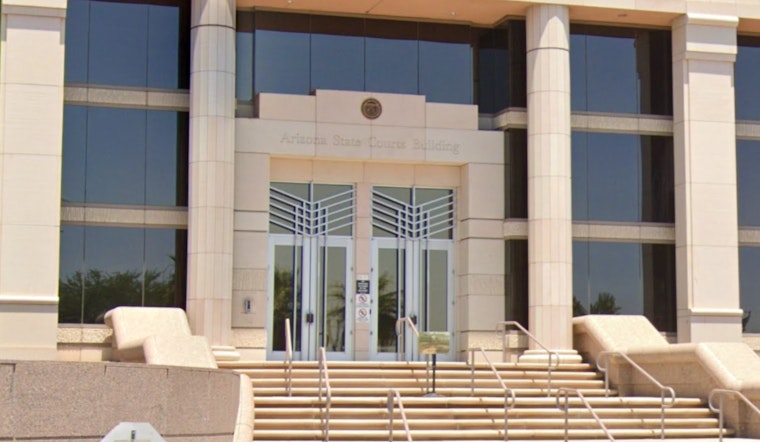
The Arizona Supreme Court has reaffirmed the suspension of former prosecutor April Sponsel for two years, following allegations of ethical misconduct. According to the Supreme Court's recent decision, the suspension stems from the way Sponsel handled the prosecution of several protesters arrested in October 2020. The October protests erupted in the wake of George Floyd and Dion Johnson's deaths, stirring widespread unrest and impassioned calls for justice across the nation.
As reported by the Arizona Supreme Court in a news release, Sponsel overlooked a substantial amount of evidence—including over 100 hours of police body camera footage and more than 250 pages of police reports—before she filed charges against the 15 individuals involved in the demonstrations. Misplaced in the chaos, the charges included gang-related offenses along with other serious felonies such as riot and aggravated assault. Sponsel's supervisors at the Maricopa County Attorney's Office took quick action to dismiss the cases and sideline her once her insufficient review of evidence and unsubstantiated charges came to light.
An internal investigation into the former prosecutor's past cases revealed a worrisome pattern of overcharging and a similar neglect to fully consider evidence at hand. Facing these findings, the State Bar of Arizona stepped in and filed ethical charges against her. As detailed in the release by the Arizona Supreme Court, the resultant Disciplinary Panel deliberations saw Sponsel slapped with a two-year suspension for violating her duties of competent representation, diligence, and good faith, as well as engaging in conduct deemed "prejudicial to the administration of justice," under the Arizona Rules of Professional Conduct.
The Supreme Court's decision underscored the panel's findings and clarified the sense of 'knowing' in this context. Justice James P. Beene, writing for a unanimous court, explained that a "lawyer can act 'knowingly' regardless of whether the lawyer knows that his or her actions violate a specific ethical rule." While Sponsel might not have set out to flout an ethical rule deliberately, it was her disregard for thorough evidence review and her unfounded charging that rendered her actions 'knowingly' unethical. Marching ahead, the judges, including Chief Justice Ann A. Scott Timmer and Vice Chief Justice John Lopez, agreed that her willful ignorance lay at the heart of her ethical misconduct, according to the Arizona Supreme Court.
For those looking for further insights into the Court's rationale or seeking to delve deeper into this marked case, the full opinion has been made available online, accompanied by a brief video summary for ease of public understanding.



