

























































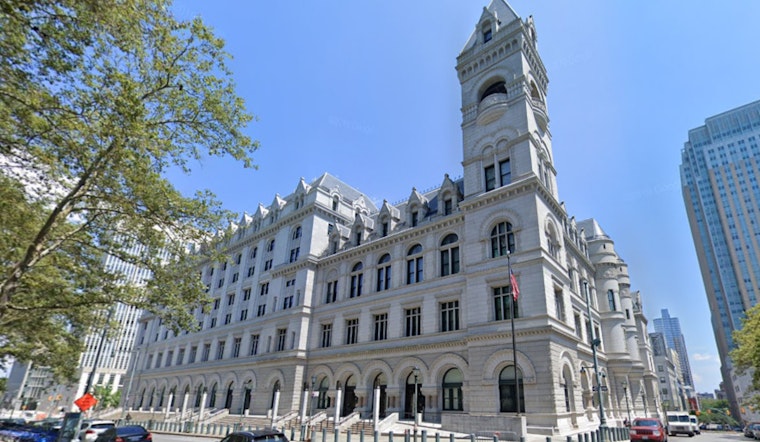
In a recent court proceeding in Brooklyn, Darnell Jones, known on the streets as "EJ," pleaded guilty to orchestrating a fraudulent scheme that exploited COVID-19 unemployment benefits, according to an announcement from United States Attorney for the Eastern District of New York, John J. Durham. Jones, a member of the Brooklyn-based Ninedee gang, admitted to wire fraud conspiracy and aggravated identity theft, leveraging stolen personal data to claim over $800,000 in federal aid designated for those hardest hit by the pandemic.
While pleading guilty, Jones also conceded to obtaining individuals' personal identifying information to commit wire fraud from May 2021 through October 2024, with more than $3.5 million at stake in victim losses. Wrongfully imprisoned for two years at a minimum, when sentenced, Jones faces the possibility of up to 32 years behind bars. The U.S. Department of Justice reports that the proceeding was presided over by United States District Judge Dora L. Irizarry.
United States Attorney Durham conveyed the gravity of Jones' actions; the funds, intended to provide relief during the COVID-19 pandemic, were instead funneled to support the illicit activities of the Ninedee gang. FBI Assistant Director Christopher G. Raia described how Jones' operations not only threatened New York's economic security but also sustained gang-related crimes. "Darnell Jones, a Ninedee gang member, financed illicit gang operations with millions of dollars in fraudulent unemployment benefits obtained with numerous stolen identities. For three years, the defendant jeopardized the city’s wellbeing and economic security in a global pandemic through this selfish diversion of critical funding. The FBI remains determined to curtail any mechanism fueling criminal gang activity, especially schemes targeting vulnerable citizens,” Raia detailed in a statement obtained by the Department of Justice.
New York City Police Department Commissioner Jessica S. Tisch expressed that Jones' case serves as a stern warning, emphasizing aggressive law enforcement measures to apprehend and prosecute individuals involved in such elaborate rackets. While managing to stand by the community with their relentless quest for justice, partial information provided by S. Tisch states, “At the height of a global crisis, Darnell Jones exploited the identities of vulnerable New Yorkers to bankroll a violent gang’s criminal enterprise,” stated NYPD Commissioner Tisch. “His guilty plea today is a powerful reminder that no scam is too sophisticated, no network too hidden – we will find you, and we will bring you to justice. I commend our investigators, the FBI, and the U.S. Attorney’s Office for their relentless pursuit of justice,” as noted by the Department of Justice.
The Ninedee Gang, rooted in violence and drug trafficking, plagued the East New York neighborhood, particularly the Louis H. Pink Houses. Court filings and witness testimony establish that gang members, including Jones, perpetrated financial fraud along with other crimes. Informing the public of their unchecked reign over the community, court documents indicate Jones’ leadership in the gang's fraudulent undertakings. Notably, in the trial of Ninedee member Maliek Miller, texts from Jones surfaced, displaying coordination for the purchase of firearms. The group's criminal history also shadows the tragic murder of Shatavia Walls, a federal witness, for which multiple Ninedee members were prosecuted.
At the helm of the case against Jones is the Office's Organized Crime and Gang Section, with Assistant United States Attorneys Emily J. Dean and Irisa Chen leading the charge alongside Paralegal Specialist Theodore Rader.





