

























































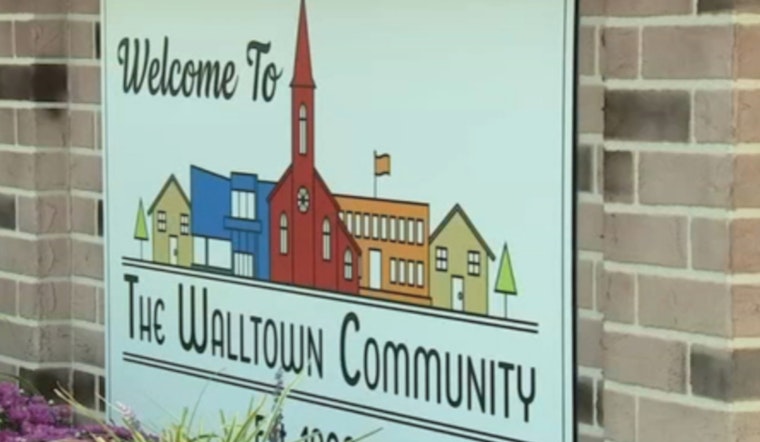
Durham residents just got a boost in their effort to spruce up their neighborhood thanks to some small grants courtesy of the city's Love Your Block program. Announced recently, the program awarded its first mini-grants to projects that aim for the beautification and strengthening of communal areas in the Walltown area.
This initiative is lined with the city’s practical approach to empowering residents to directly improve their surroundings, and includes hands-on support for community groups facing local challenges. With 15 proposals in the running, four projects managed to secure the funding, embodying Walltown's spirit for creativity and collective responsibility. The funding for Love Your Block comes from the Bloomberg Center for Public Innovation at Johns Hopkins, a well-known player in injecting resources into urban innovation.
In a statement obtained by the official City of Durham website, Andrew Holland, assistant director of the City’s Budget & Management Services Department, expressed his enthusiasm for the community’s engagement: “As Durham continues its support for resident-led initiatives, Love Your Block is helping us work side-by-side with neighbors to bring energy to public spaces and build more connected communities.” The specifics of these projects range from environmental rehabilitation to the creation of new communal spaces.
The line-up of projects includes Walltown Waterways’ efforts to tackle litter and invasive species, Sedgefield Community Place’s design for a natural gathering area, St. John’s Baptist Church Garden's refurbishment, and an outdoor extension for the Walltown Children’s Theater to boost community events. Each chosen project is a testament to the partnership between local government and Walltown’s residents, aimed at tackling problems such as litter and illegal dumping, which are particularly problematic in vacant or underutilized areas.
The Love Your Block program runs under the wing of the City’s Office of Performance and Innovation in the Budget & Management Services Department, working in concert with the Code Enforcement Division of the City’s Neighborhood Improvement Services Department. This particular approach to neighborhood enhancement is a clear mark of Durham's commitment to not just maintaining, but actively improving the quality of life for its residents through collaboration and focused local action.





