

























































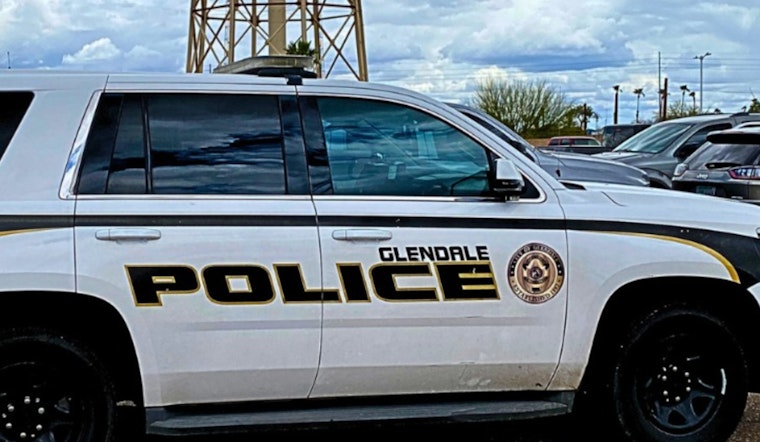
Glendale City Council has approved a $600,000 upgrade for the Glendale Police Department, ensuring each patrol vehicle will be armed with advanced moving radar systems to combat speeding. As stated in a city's recent announcement, this initiative positions Glendale as a pioneer among Valley cities in terms of comprehensive speed detection equipped fleets.
With a track record of serious injuries from speed-related crashes reaching into the hundreds in previous years, Glendale's new investment is aimed to drastically reduce these numbers. As reported by the city, speed-related collisions, particularly those involving pedestrians, are on an uptick, already surpassing figures from the past years with more than half the year to go. This latest investment represents a need to aggressively address this trend. Vice Mayor Lauren Tolmachoff was quoted saying, "The most dangerous thing we do every day is get in our car and drive somewhere," heralding the council's decision as a critical step to secure community safety, as mentioned in the city's announcement.
All 150 police vehicles in Glendale will soon be equipped with this enhanced technology that allows officers to accurately gauge vehicular speeds no matter the orientation of the cars involved. This expanded capability is a stark difference from the limits of traditional radar tools, boosting enforcement efforts across the board. "This investment is about saving lives," City Manager Kevin Phelps told the Glendale official website, affirming the council's proactive stance on public road safety.
Glendale's leadership has adopted a decisive and strategic approach to reduce speed-related fatalities and collisions within the city. Interim Police Chief Colby Brandt underscored the comprehensive nature of this initiative, detailing plans to combine technological enforcement with "education and community engagement." According to him, the intention is explicit, and by painting speeding as a clearly intolerable choice, as outlined in the city’s announcement. The full implementation of these radar systems is expected to be completed by the end of summer 2025.



