

























































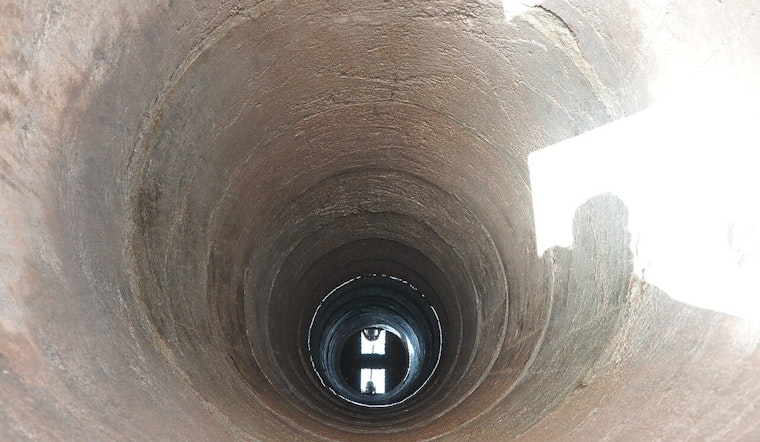
Hays County residents who rely on well water for their daily needs have a helpful resource available to them this month. The Texas Well Owner Network (TWON) is offering water well screenings on April 7-8 to screen for various contaminants. Hays County announced the event, noting that the screenings aim to help locals better understand and manage their private water supplies.
According to Joel Pigg, a Texas A&M AgriLife Extension Service program specialist, "The TWON program was established to help well owners become familiar with Texas groundwater resources, septic system maintenance, well maintenance and construction and water quality and treatment." Pigg told Hays County the effort is designed to improve and protect community water resources. Among the substances being screened are total coliform bacteria, E. coli, nitrate-nitrogen, and salinity.
Sample collection will take place on April 7 at the Hays County AgriLife Extension office, Barton Springs/Edwards Aquifer Conservation District office, and the Hays Trinity Groundwater Conservation District office at different times throughout the morning. A follow-up meeting is scheduled for April 8 from 11:00 a.m. to noon at the Wimberley Village Library, where participants can obtain and discuss their results. Pigg emphasized the importance of using only the provided sampling bags and bottles and following all instructions carefully to ensure accuracy, as he explained in an update on Hays County's website.
With a concern for public health, Pigg also pointed out that the presence of contaminants like E. coli could indicate potential contamination by waste from humans or animals and is likely to carry other pathogens. High nitrate levels, above 10 parts per million, could cause methemoglobinemia, particularly in infants under six months. As per the information provided by Hays County, salinity and dissolved solids can affect not just taste but also soil and plant health when used for irrigation.
The screenings are a joint presentation by AgriLife Extension and the Texas Water Resources Institute in partnership with local groundwater agencies. TWON's efforts are supported by a Clean Water Act nonpoint source grant from the Texas State Soil and Water Conservation Board and the U.S. Environmental Protection Agency. Residents can find more information about water quality and the importance of annual testing through the program's website or by contacting Joel Pigg directly for more details on the upcoming water screenings.





