

























































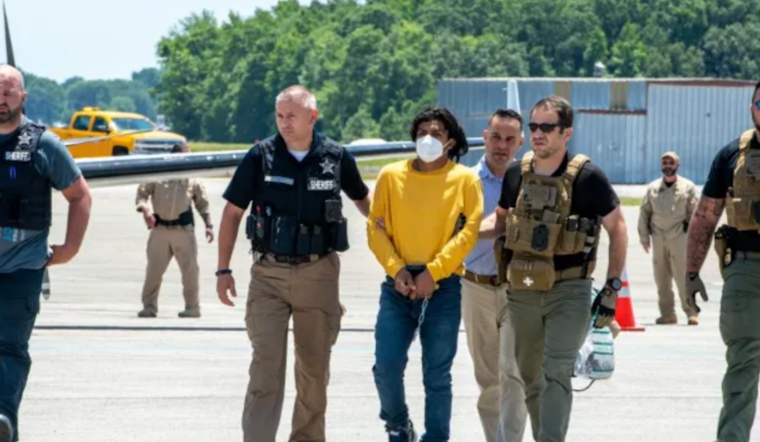
The jury is currently in deliberation in the trial of Victor Martinez-Hernandez, the man accused of the 2023 murder of Rachel Morin, a Maryland mother of five found dead after a jog near the Ma & Pa Trail in Harford County. As reported by CBS News Baltimore, closing arguments concluded yesterday afternoon, following which the judge gave the jury instructions. The deliberation comes after a defense presentation that lasted under 10 minutes.
Martinez-Hernandez, 24, who prosecutors claim has known gang ties and entered the U.S. illegally, could face life in prison if convicted of the murder and rape charges against him. According to WBAL-TV, the state's case included damning DNA evidence that matched Martinez-Hernandez to the crime scene, leaving a burden on the defense to attempt to shift this narrative strongly established by the prosecution.
The trial, which began on April 4, saw Harford County State's Attorney Alison Healey outline how Morin went missing after last being in contact with her family around 7 p.m. on August 5, 2023. Law enforcement later found her body near the trail, which sparked a nearly year-long manhunt leading to Martinez-Hernandez's arrest in Oklahoma. During the trial, the defense by Sawyer Hicks suggested that other men interested in Morin could have been responsible, questioning why Martinez-Hernandez would want to harm her.
Significant contributions to the prosecution's case came from DNA evidence. Tiffany Keener, with the Maryland State Police Crime Lab, confirmed the match between the DNA found on Morin's body and the accused, as shared by CBS News Baltimore. In contrast, in an interview shown during the trial, Martinez-Hernandez denied involvement in the murder or ever being in Maryland and suggested someone could have planted his DNA at the scene. His arrest video showed him stating, "In reality, I don't know. Today, there is so much technology, anyone could do damage to anyone."
FOX Baltimore reported that Martinez-Hernandez did not take the stand, exercising his right to remain silent during the trial. Additionally, his defense rested quickly after questioning a digital forensic examiner about the process used to pull the search history of phone records. The defense's strategies have ensured that their arguments have concluded quickly, signaling a fast-approaching verdict in a case that has garnered national attention due to the gravity of the crimes and the defendant's immigration status.





