

























































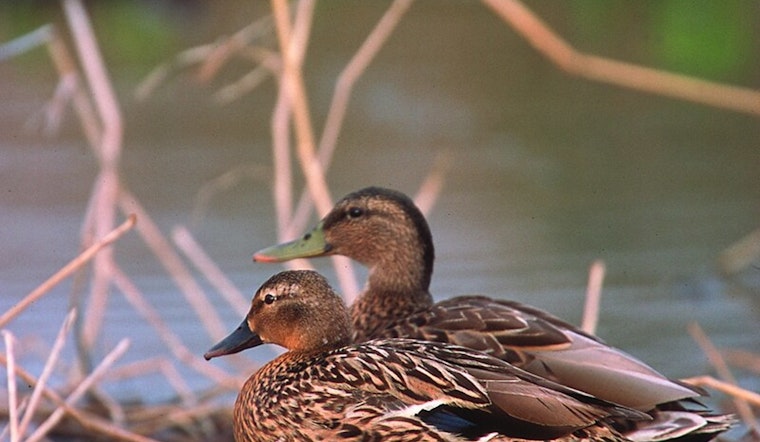
Feathers are fluttering in the breeze over at the Mānā Plain sanctuary on Kaua‘i's west side, where waterbirds both native and migratory are dropping in greater numbers than ever before. According to a news release from the Department of Land and Natural Resources (DLNR), the sanctuary has become a hotspot for endangered Hawaiian waterbirds like the Hawaiian coot, the Hawaiian gallinule, the Hawaiian stilt, and the Koloa duck. After 18 years of toiling in these wetlands, DLNR Division of Forestry and Wildlife biologist Jason Vercelli has never seen such an uptick in feathered traffic.
Drawing in nature enthusiasts and amateur ornithologists alike, the sanctuary's popularity has soared, much like the birds coming to frolic and forage across the 100 acres of restored wetlands. Vercelli shared with the DLNR that the site was once part of the state's largest wetland before agricultural ambitions drained it dry in the early 1900s, which spelled trouble for the endemic birds. This avian oasis is the result of efforts starting in the 1990s to give back some of that stripped-away swath of habitat.
Jason Vercelli, whose stories are as plentiful as the flocks he watches over, explained that the sanctuary isn't just for the birds; it’s become a tapestry of community involvement. In a statement obtained by the DLNR News release, he said, “People come out here to see birds they don’t usually see. I have a lot of school kids come out and help with work and enjoy the place. We have volunteer days where people can come out and enjoy the area and get a little dirty at times.” The sanctuary seems to resonate as a tranquil port-of-call at the break of dawn and a serene venue when the sun takes its daily dive.
As for the bird population, it's an international affair. The locale hosts a feathered melting pot of sorts, where migratory birds fattening up for their epic journeys rub shoulders with the natives. Vercelli told the DLNR, “We’re seeing a lot of migratory birds now. Pretty soon they’re going to start staging where they come together as groups, get as fat as they can, and then head back to the mainland.” The challenges these small birds face are intense, as they venture non-stop over a four-day flight without the possibility to land in the ocean on their way to and from the continent.
The importance of the Mānā Plain sanctuary transcends visual beauty and stretches into ecological functionality. It acts like a kidney for the surrounding waters—filtering and cleaning, taking sediment-laden water in and releasing it purified to the benefit of the local reef ecosystem. This wetland offers invaluable services, helping clarify and clean the water, which Vercelli discussed with DLNR, further compliments the overarching theme of caring for the ‘aina, from the mountains to the sea. The sanctuary's success isn't just testament to Vercelli's dedication but to the potential for restoration to incite real environmental impact.
What began as a state-led initiative to restore a slice of paradise for endangered species has morphed into a community treasure. With plans for a new visitor's center funded by a grant, as revealed by Vercelli to the DLNR, the future for the Mānā Plain bird sanctuary looks as bright as the feathers that dance within it.



