

























































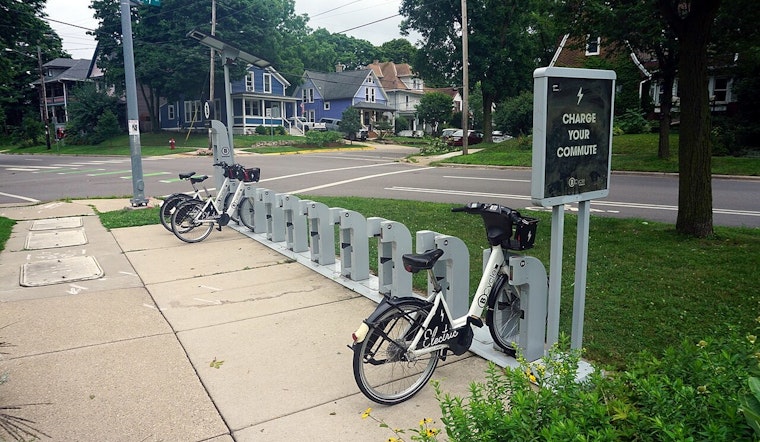
In a move set to propel Milwaukee towards more sustainable transportation options, Bublr Bikes has announced an expansion that coincides with Earth Day commemorations. The bike-share program revealed its plan to increase its presence across the city, introducing 500 e-bikes and bolstering station numbers. Marking this growth is a new partnership with Veolia, a company specializing in environmental services, including water, wastewater, and energy management.
The city embraced the expansion on Tuesday, seeing three fresh bike-share stations and the addition of 12 electric e-bikes, alongside 24 standard pedal bikes. According to FOX6, Bublr Bikes is set on enhancing its network throughout Milwaukee, focused particularly on downtown and the surrounding areas. The partnership with Veolia supports this mission, aiming to provide efficient and eco-friendly transit options for city dwellers.
Milwaukee Mayor Cavalier Johnson emphasized the value of the bike-share system in fostering connectivity across the community. "Because of companies like Bublr, like Veolia that share our commitment to environmental stewardship all over Milwaukee, not just downtown, east side, Walker's Point or Bay View. But citizens all across the city of Milwaukee," he told CBS58. This perspective reflects Bublr's commitment to inclusion and neighborhood connectivity.
Mayor Johnson highlighted Milwaukee's distinct status in bike-share networks, "It's incredibly important for folks to be able to have alternate modes of transportation, especially in a city like ours. I mean, we have, in the city of Milwaukee, the longest year-round bikeshare network that's operational in a colder weather climate in the United States. And folks want to have other modes of transportation," he stated in a WISN interview. The research-driven placement of new stations is meant to maximize impact, considering essential factors like proximity to students and working communities.





.jpg)