

























































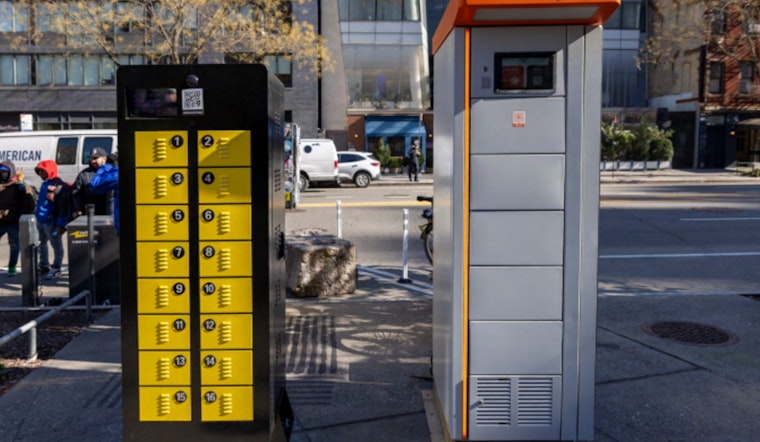
New York City is launching a new initiative to support the rising number of e-bike users, making the streets more tech-friendly. As reported by Gothamist, starting yesterday, landlords and tenants alike, with the nod of approval from building owners, can submit applications to the New York City Department of Transportation (DOT) for installing e-bike battery charging and swapping cabinets on the sidewalks near their properties.
These installations are a response to the dramatic increase in fires related to lithium-ion batteries. Last year alone, over 200 fires were attributed to these batteries, an issue the "Charge Safe, Ride Safe" campaign by Mayor Eric Adams seeks to address. Ydanis Rodriguez, the city's DOT Commissioner, aims to expand access to safe e-bike charging options, according to a guide published by the DOT titled "Sidewalk E-Bike Battery Swapping and Charging Cabinets 101," Gothamist reported.
Over at AM New York , details were provided on the specifics of the program, highlighting that the charging stations will not obstruct pedestrian movement owing to specific size limits and siting requirements. To have their e-bike battery cabinets considered, applicants must navigate the city's revocable consent process, which allows the placement of certain private infrastructures on public property, subject to city approval that can be taken away at any time.
Every cabinet installed must be inspected by the Fire Department of New York (FDNY) and secure an electrical permit from the Department of Buildings, illustrating the city's commitment to safety amidst a surge of lithium-ion battery fires. "Structural fires caused by lithium-ion batteries have seen a troubling rise this year, and increasing access to safe, FDNY-approved charging cabinets is a vital step in reversing this trend," Fire Commissioner Robert S. Tucker told Gothamist. Not just for fire prevention, the cabinets also promise to support the increasing adoption of e-bikes as a staple in New Yorkers' commutes.
The application process starts with a $750 filing fee, and successful applicants will face additional fees, including a $3,000 security deposit, as AM New York notes.





