

























































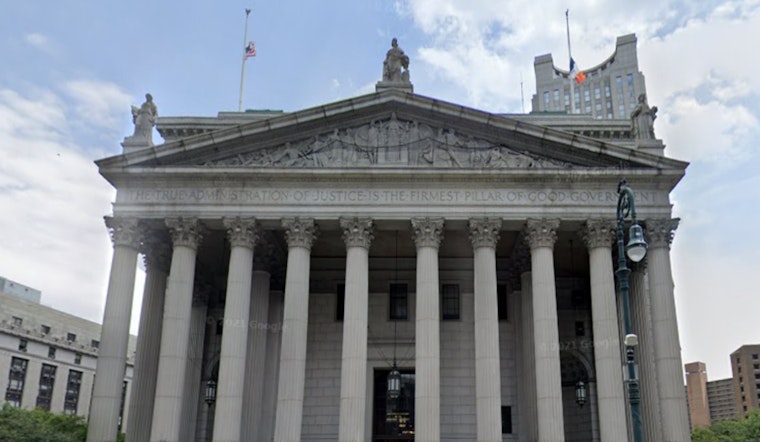
As New York City expands a policy to test new products and technologies via "demonstration projects," a privacy advocacy group is pushing back. The change, recently expanded by a city board, permits vendors to pilot their solutions for up to three years, generating concern over the lack of oversight and competition. Critics argue that this approach could put New York citizens' data at risk, especially as taxpayer-funded projects move forward without sufficient vetting processes. The policy is being challenged in a lawsuit by the Surveillance Resistance Lab, which argues that the rule change "benefits vendors more than it protects New Yorkers," according to Gothamist.
One high-profile example of these concerns is the city's contract with ShotSpotter, a gunshot detection technology that has come under scrutiny. An audit by the comptroller's office found that 87% of the time ShotSpotter sent officers to false alarms, putting into question both the effectiveness and fiscal responsibility of such pilot projects. Despite this, the pilot program with ShotSpotter was extended, costing the NYPD $45.4 million from 2014 to 2023. “When there's a noncompetitive process for a vendor to start work with the city, it's easier for contracts to get extended. It's easier for future proposals to be made with that vendor in mind when there's nobody else to do that work,” Cynthia Conti-Cook, director of research at the Surveillance Resistance Lab, told Gothamist.
In contrast, on the federal level, a Trump administration memo has placed approximately 2,600 federal programs under review, with a temporary freeze in funding drawing concerns across a swath of essential services. Among the targeted programs are Medicaid, Medicare, and Head Start, raising alarms regarding the potential impact on millions of Americans. According to The New York Times, the Office of Management and Budget (OMB) has been tasked to ensure these programs do not "advance Marxist equity, transgenderism and Green New Deal social engineering policies." The specifics of the order's impact are still unfolding, as reports of funding interruption trickle in from affected programs.





