

























































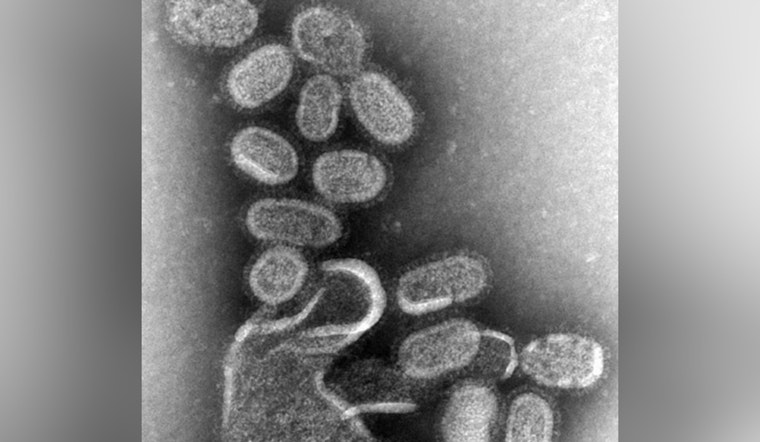
The North Carolina Department of Health and Human Services has reported a distressing peak in flu-related fatalities, surpassing 500 deaths in the 2024-2025 virus season, the highest since such data collection started in 2009. Officials in North Carolina are raising the alarm, pointing to the seriousness of the influenza virus and the vital role played by public health in such crises, according to a press release issued by the NCDHHS.
NC Health and Human Services Secretary Dev Sangvai said in a somber acknowledgment of the fatalities, "We are deeply saddened by the loss of life this respiratory virus season." These losses, however, would have been significantly greater were it not for the dedicated work of the NCDHHS Division of Public Health, and local health departments in their continual fight to educate the public, distribute vaccines, and support prevention across the state's counties. This news aligns with National Public Health Week, showcasing a period where the relentless efforts of health workers are typically honored and their dedication in serving the public spotlighted.
Despite these efforts, recent cuts in federal funding have thrown a wrench into North Carolina's capacity to respond to public health threats. As reported, federal grant terminations have resulted in the loss of vital resources, amounting to upwards of $100 million, with an additional $230 million at risk. These cuts have led to the discontinuation of pivotal public health services, ranging from the State Laboratory of Public Health expansion to the support for the NC DETECT early warning system, revealing the prevalent gaps in the state's ability to safeguard against infectious maladies.
In the wake of this public health funding crisis, the support of local communities has been manifest. According to recent survey data, trust in NCDHHS and local health departments remains unwavering, with more than 80% of North Carolinians putting their faith in these bodies for health and well-being support. Dr. Kelly Kimple, Interim State Health Director and NCDHHS Chief Medical Officer expressed pride in the public health teams, "This trust is a clear signal that public health is more important than ever," yet emphasizing the urgent need for stable, long-term investment in the public health workforce, and infrastructure.
Officials are now calling for increased investments to bolster the state's capacity to protect and maintain the health of its residents through large-scale immunization and sustained disease monitoring and education efforts, ensuring a prepared response for any future outbreaks.





