

























































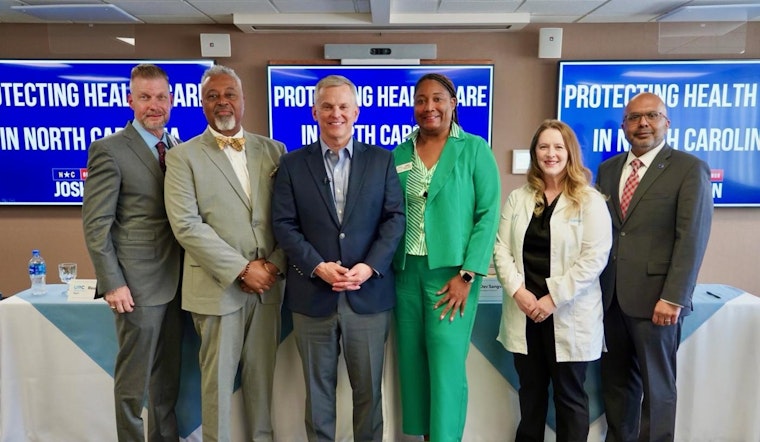
Amid discussions about potential federal cuts to Medicaid, Governor Josh Stein and NCDHHS Secretary Dev Sangvai recently visited Nash County for a crucial roundtable with local health care providers and community figureheads. The topic at hand: the survival of NC Medicaid in rural areas like Nash and the devastating impacts any budgetary slashes might entail. As Governor Stein emphasized, "NC Medicaid is an innovative and fiscally responsible program that has thrived with bipartisan support and helps keep North Carolinians healthy, especially in rural communities," according to a statement released by his office, as per the Office of the Governor.
In some of the rural counties, access to affordable health care via Medicaid is not just a benefit but a necessity for over half their populations. These areas, already grappling with financial vulnerability, depend significantly on Medicaid's support for their rural hospitals. Secretary Sangvai outlined the healthcare program's breadth, noting, "NC Medicaid saves lives by providing preventive screenings, care during and after pregnancy, mental health support, substance use treatment, low cost prescriptions and so much more." This information comes straight from the roundtable discussion where the Secretary drove home the point about Medicaid's extensive role in maintaining the well-being of communities, as detailed by the Office of the Governor.
The venue for these pivotal talks, UNC Health Nash, has a non-profit hospital authority serving several rural counties in eastern North Carolina. Their unique vantage point gives them first-hand insights into Medicaid's integral role in health care access. L. Lee Isley, president and CEO of UNC Health Nash, reinforced this cornerstone perspective: “Hospitals like Nash see first-hand every single day how Medicaid provides patients with access to critical services that keep them healthy and able to work and contribute to society," he stated. With the looming threat of budget cuts, Isley warns of the dire consequences for patient care and the stability of the already financially-strapped rural hospitals, according to the Office of the Governor's release.
The complicated undercurrent of this issue lies in the touchpoints of fiscal policy, public health, and community infrastructure, intricacies that the roundtable aimed to unpack. As Congress contemplates reductions in Medicaid's funding, North Carolina's officials are rallying to avert a crisis that could strip 640,000 individuals of their coverage in one fell swoop. Such an outcome, as Isley elucidated, would bring harm not only to patients but also undermine the economies those hospitals support. The narrative here is crystal clear: for the health of North Carolina's rural communities, safeguarding Medicaid is non-negotiable.





